“Language isn’t just about words. It’s how a child learns to love the world.” — Saira Nath, Multilingual Early Learning Researcher
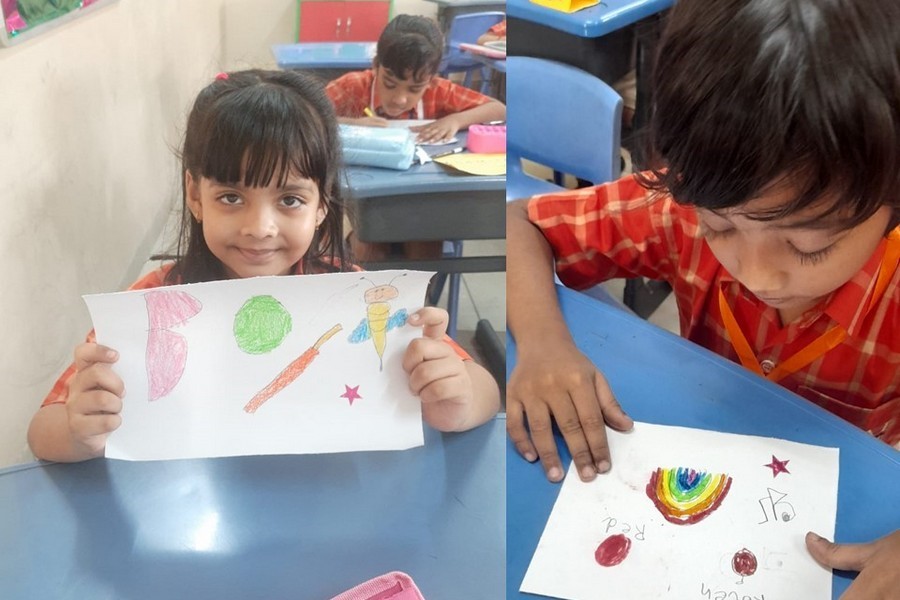
It begins with a rhyme in Odia, a greeting in Hindi, a song in English. Slowly, a child smiles when hearing three different languages—not because they know them all, but because they feel at home in each one. In today’s early learning spaces, the multilingual classroom is not an experiment—it’s a warm, familiar reality.
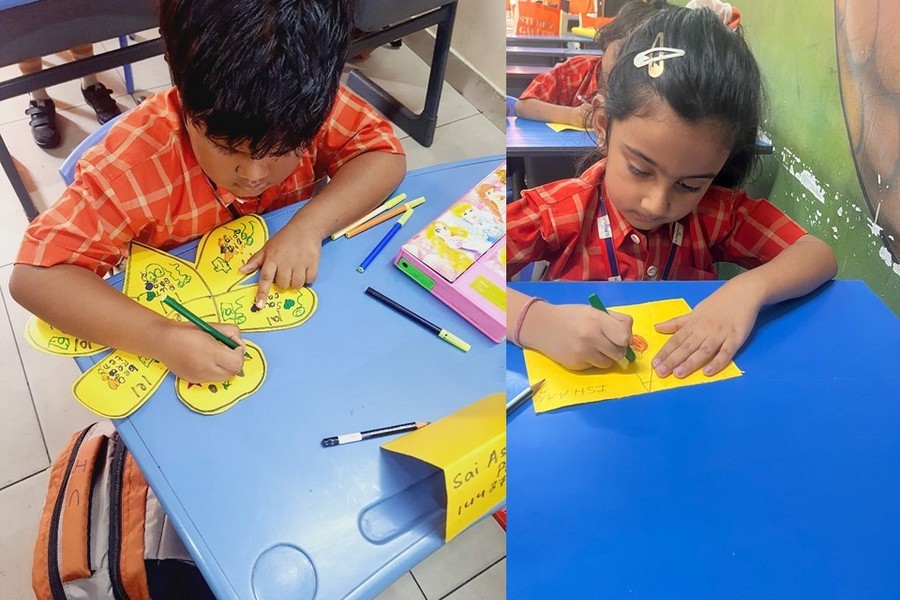
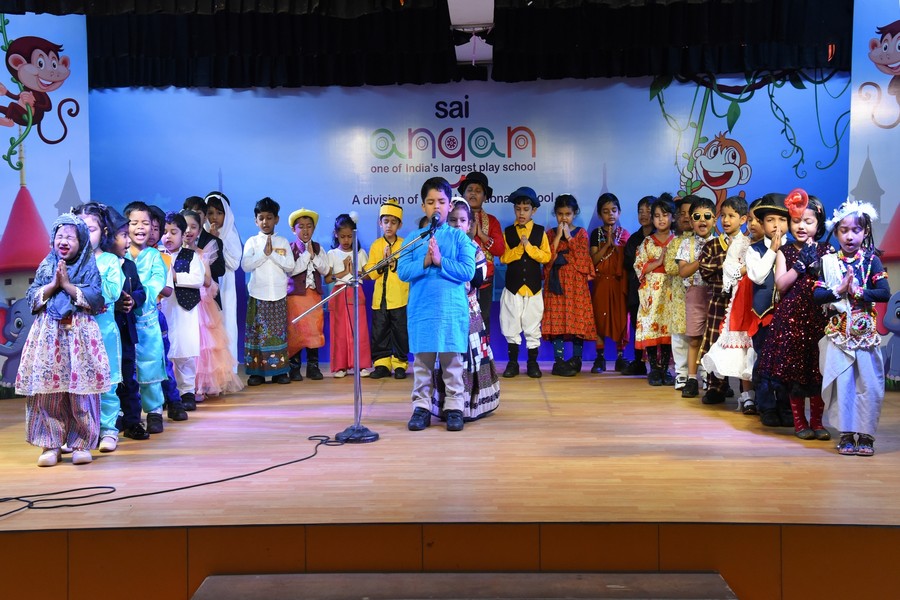
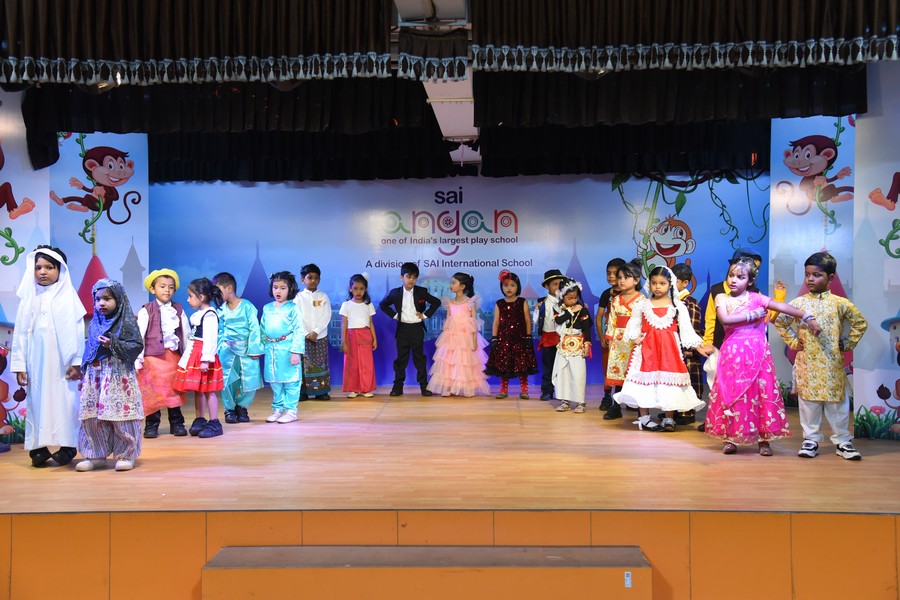
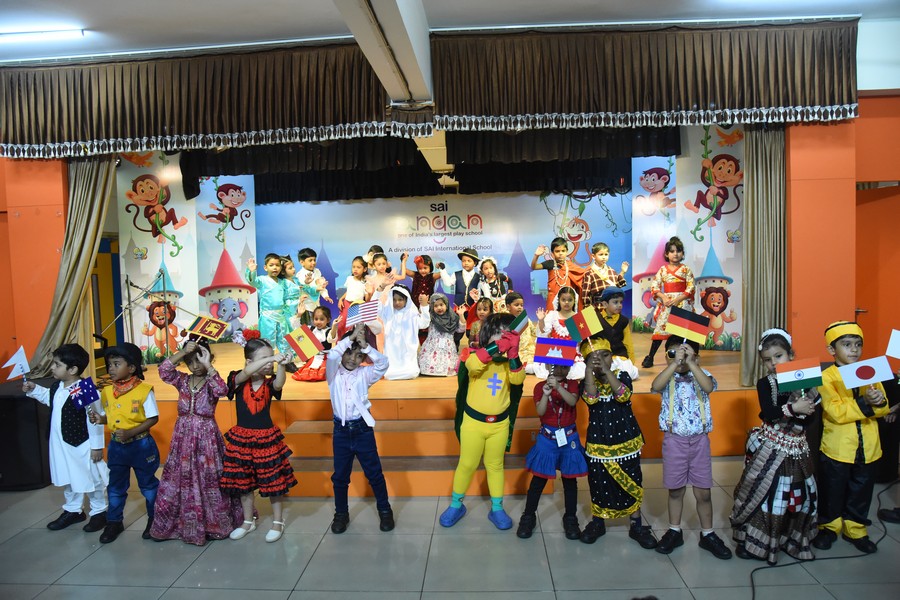
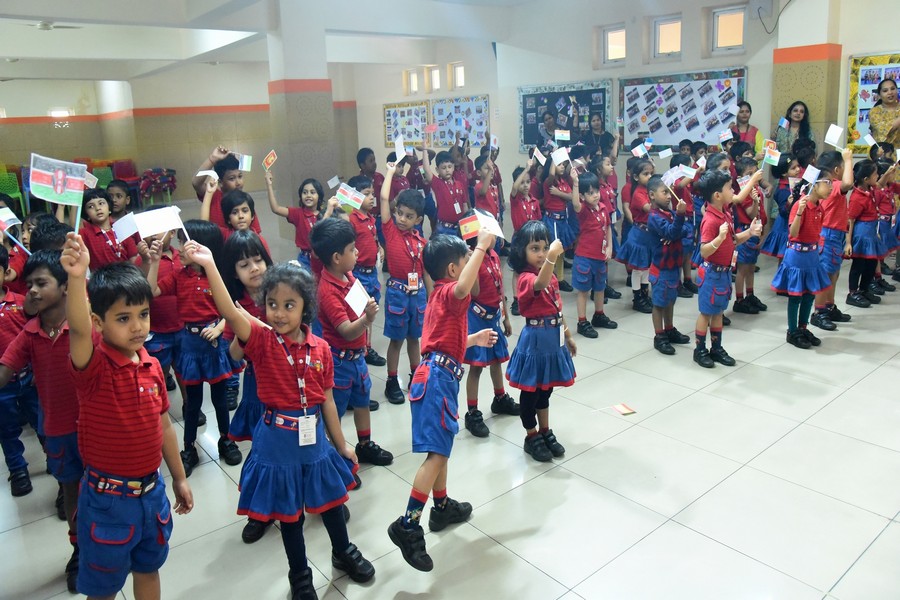
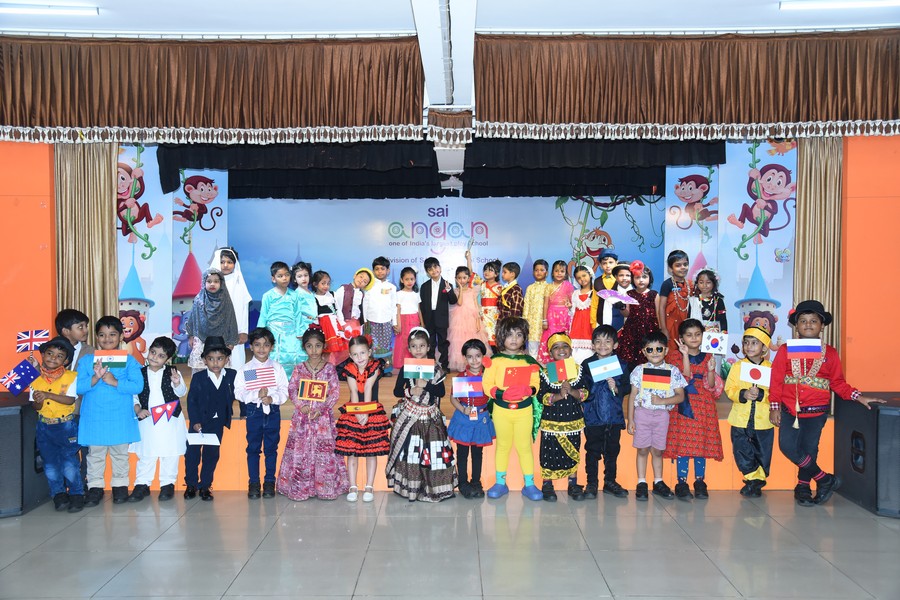
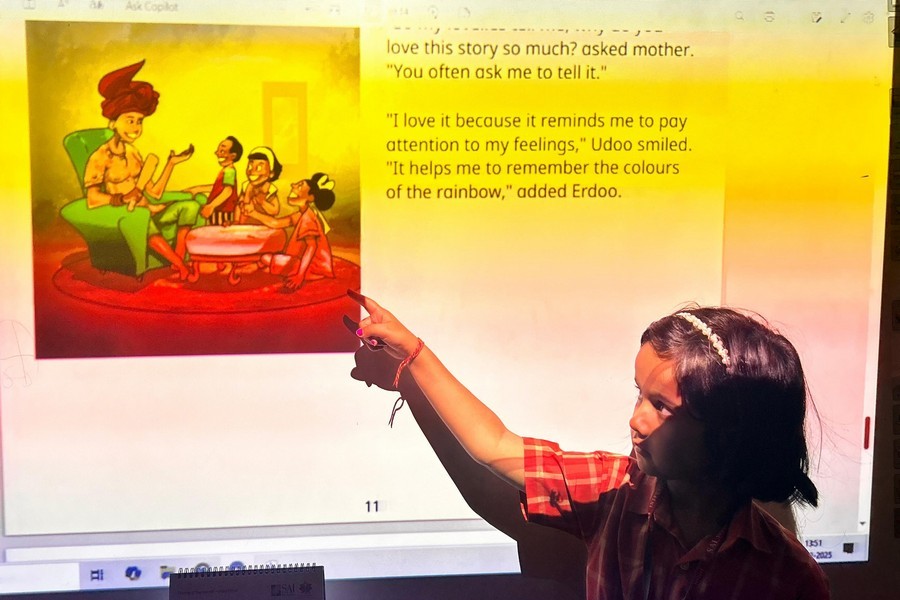
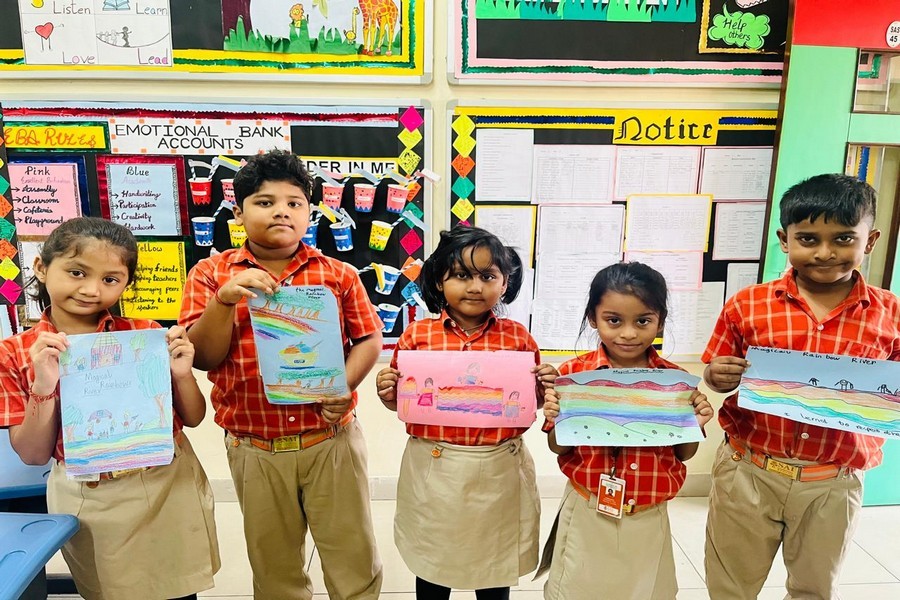
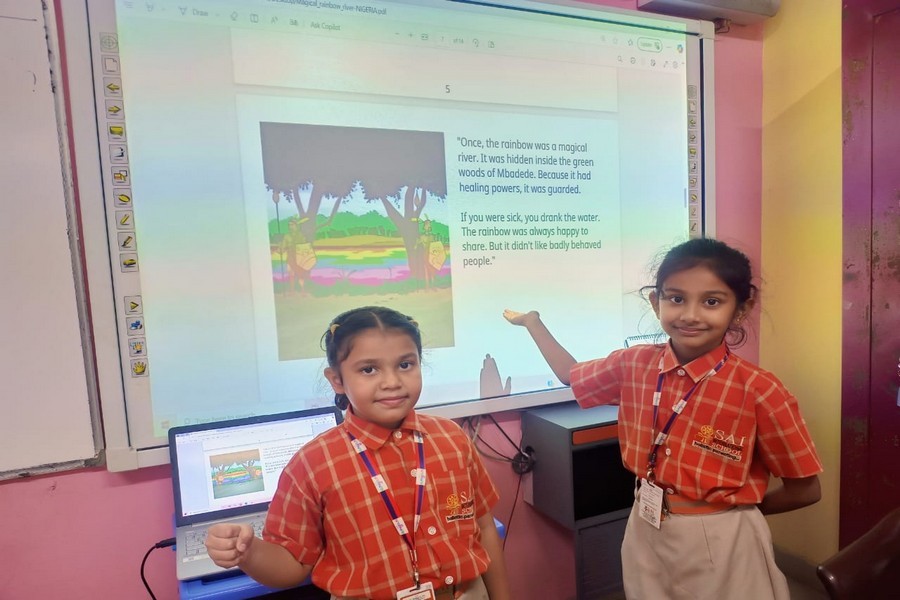
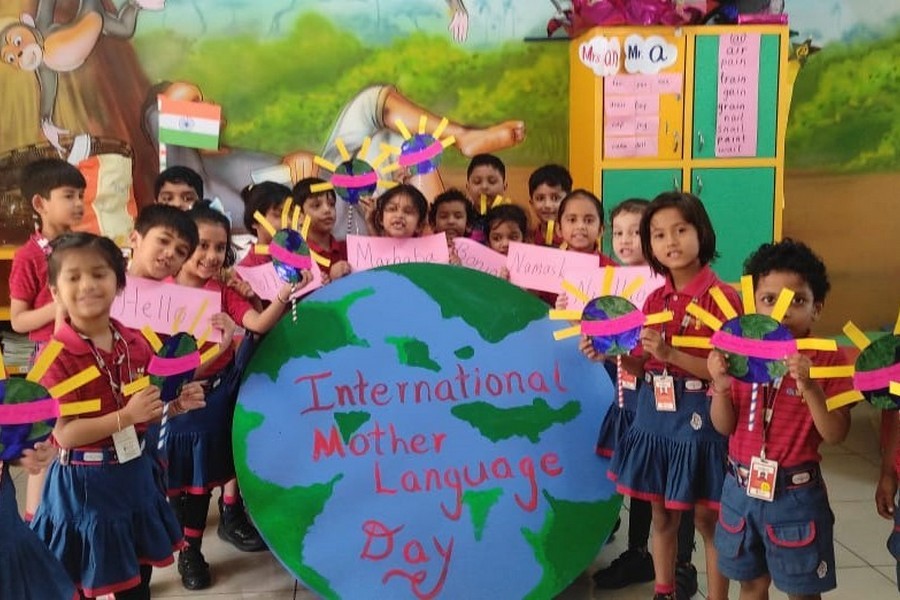
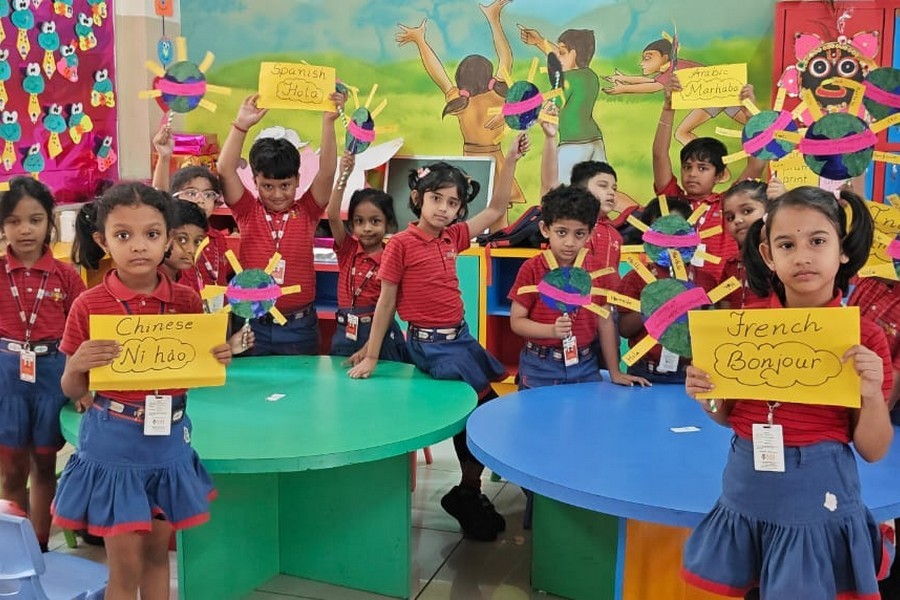
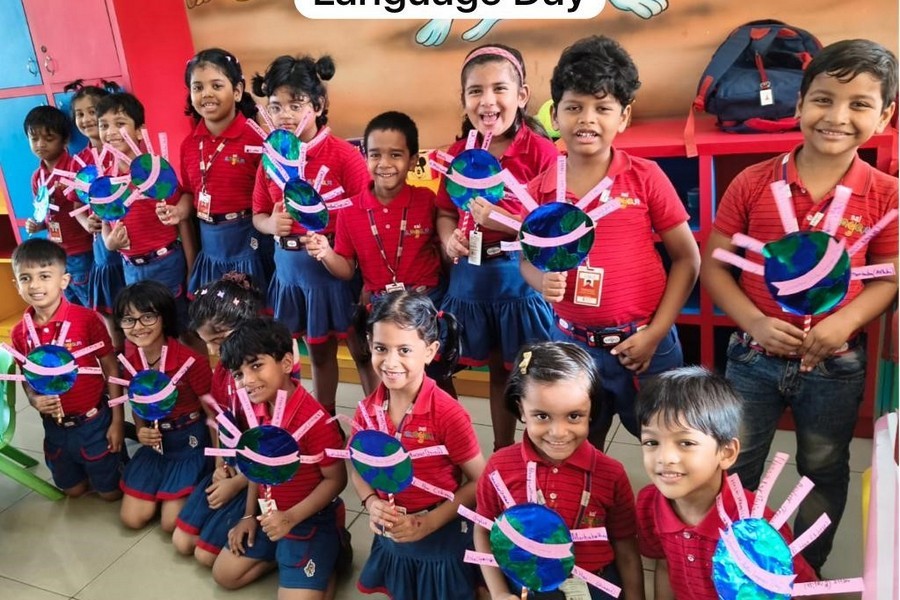
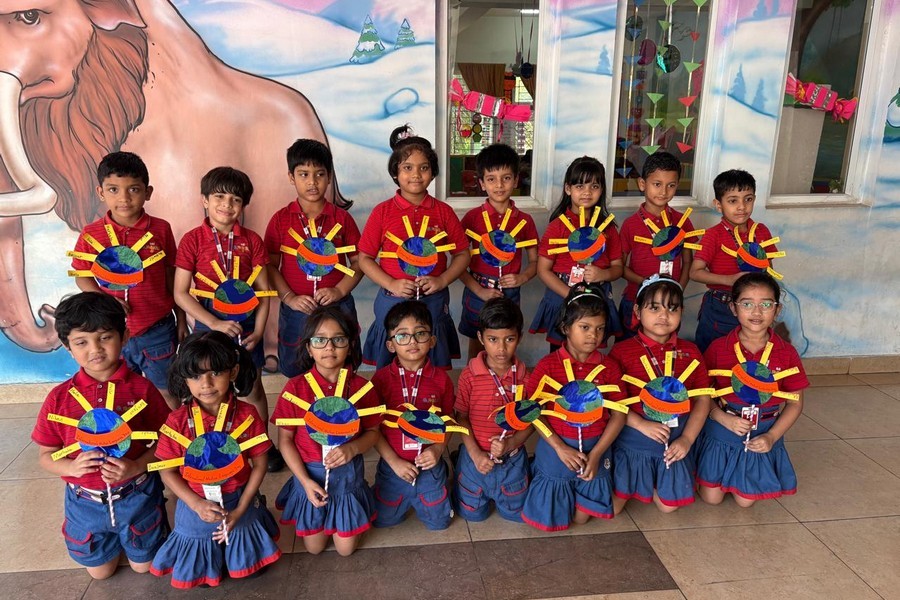
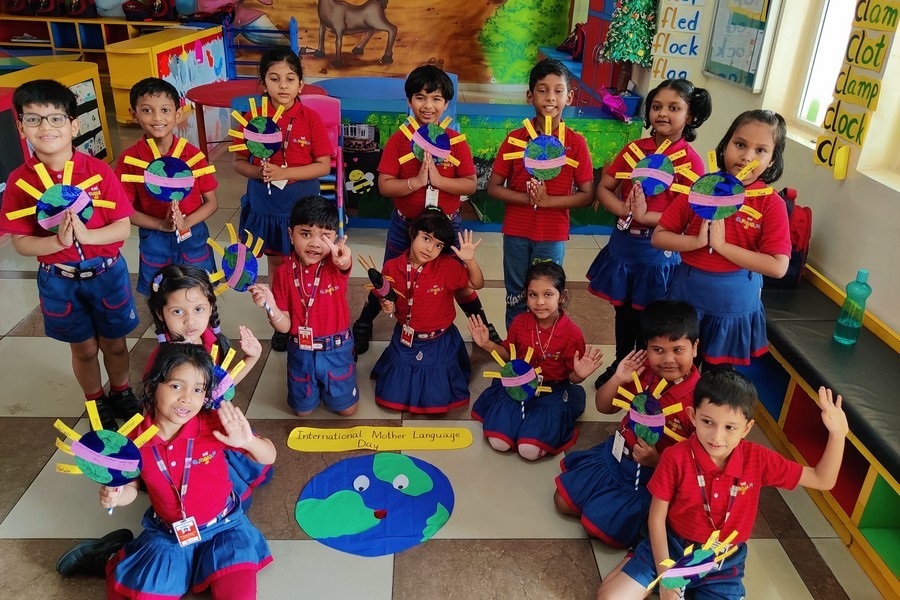
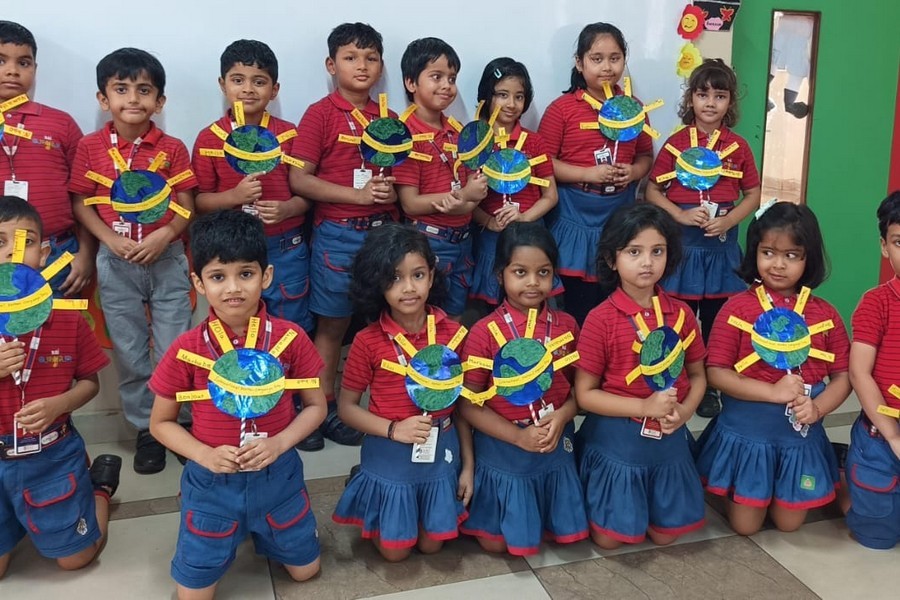
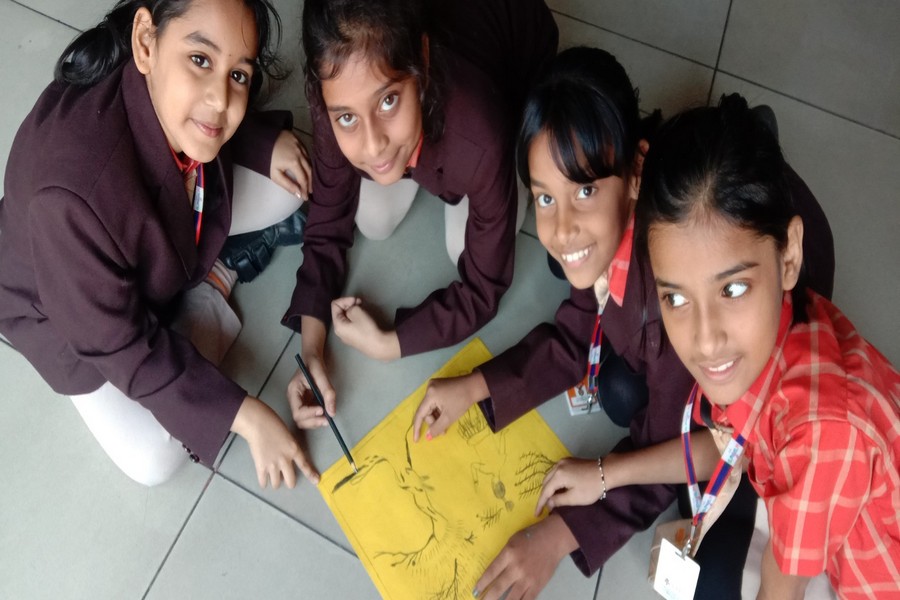
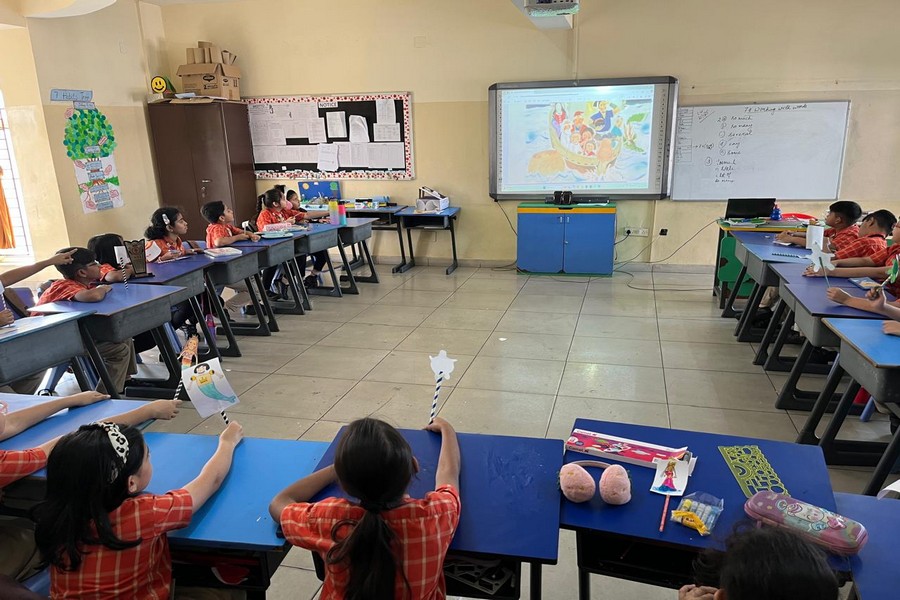
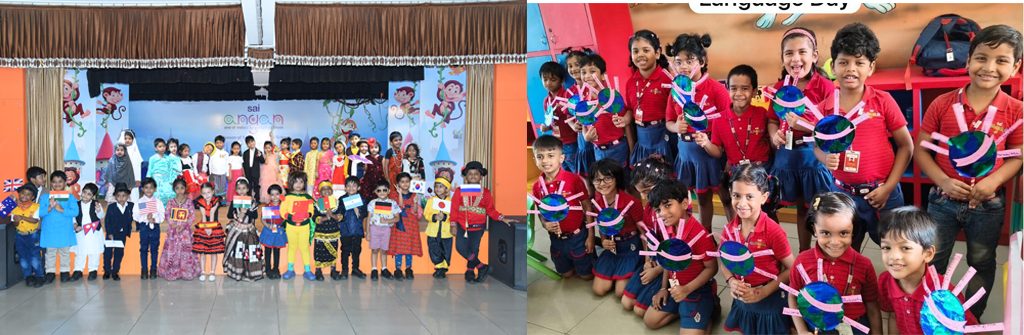
At SAI Angan, children are gently introduced to a tapestry of languages through songs, daily greetings, and interactive storytelling. The environment itself celebrates cultural richness, where every tongue spoken is valued as a thread in the fabric of early learning.
Language as Identity and Imagination
Young children don’t just learn language—they live it. When they hear their mother tongue in school, they feel a sense of belonging. When they explore a new language like English through songs and stories, they unlock different parts of their imagination. Each language becomes a new lens to see the world.
Beyond Vocabulary—Building Confidence
Multilingual exposure also nurtures memory, listening skills, and even problem-solving. A child who can switch between “ma,” “amma,” and “mom” isn’t just multilingual. They’re multi-minded. Our approach blends storytelling, movement, and even food-based activities in multiple languages to make learning natural and joyous.
The Outcome? Children Who Speak with Heart
They may not speak every word perfectly—but they learn to listen, to feel, and to celebrate difference.
Teacher’s Thought: “When a child speaks in their home language, they bring their whole self to class.”
Parent’s Perspective: “My child now sings lullabies to me in three languages!”
Little Polyglots: The Magic of Multilingual Classrooms