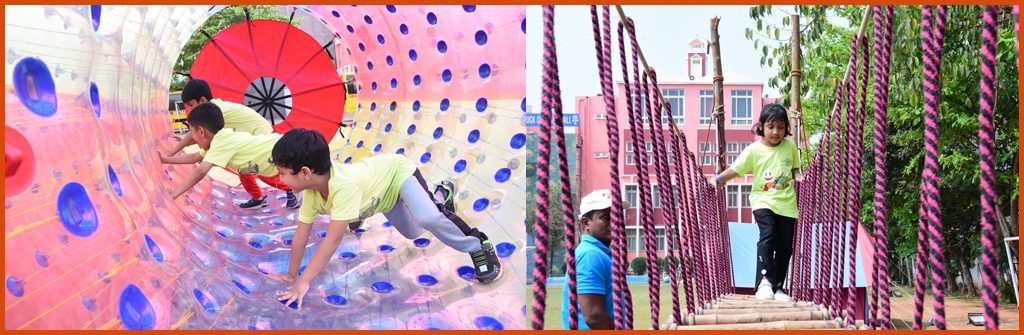
“Children learn as they play. Most importantly, in play, children learn how to learn.” — O. Fred Donaldson, Play Researcher
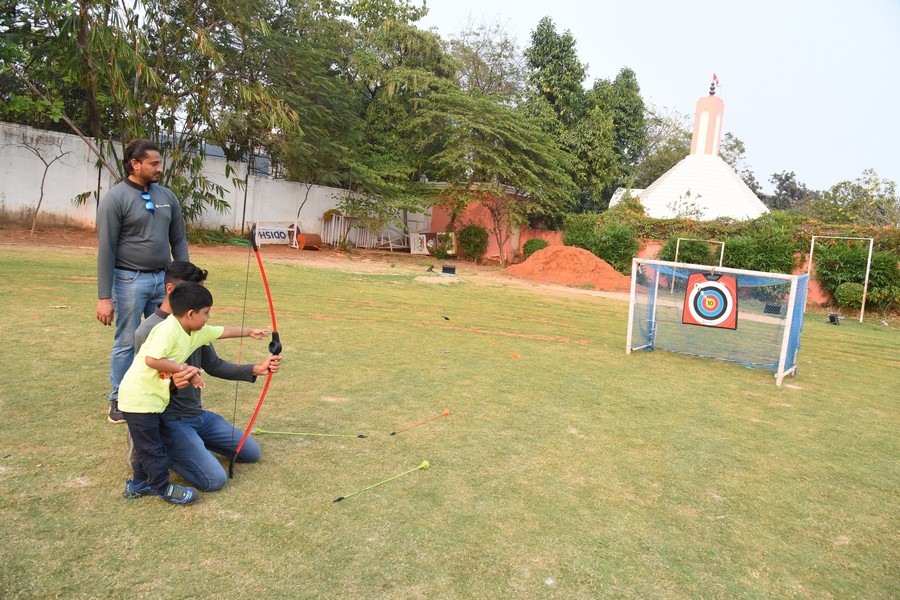
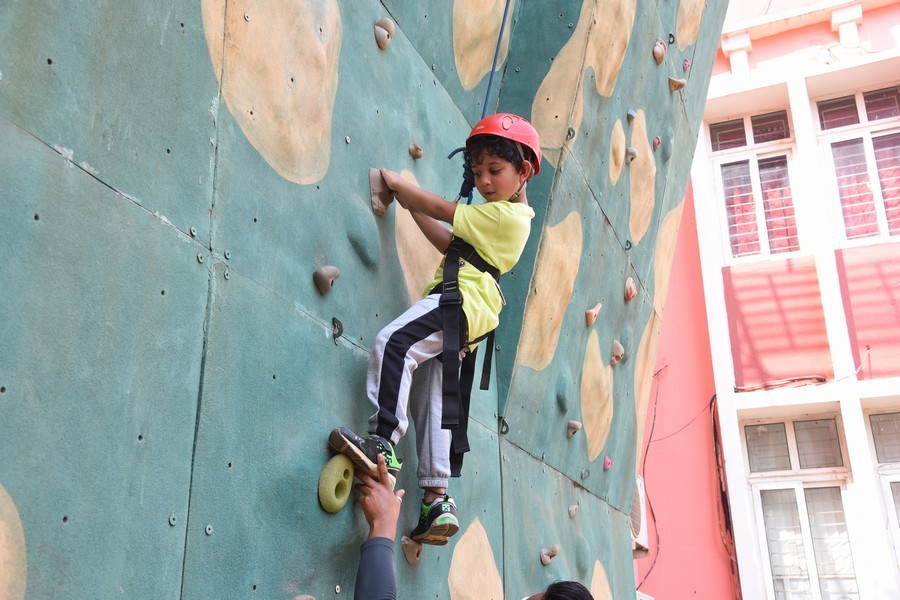
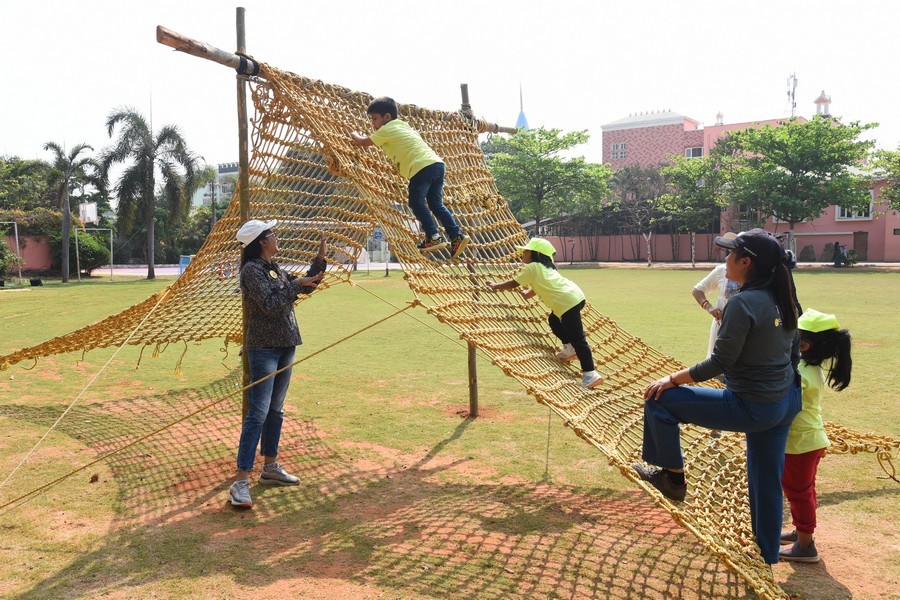
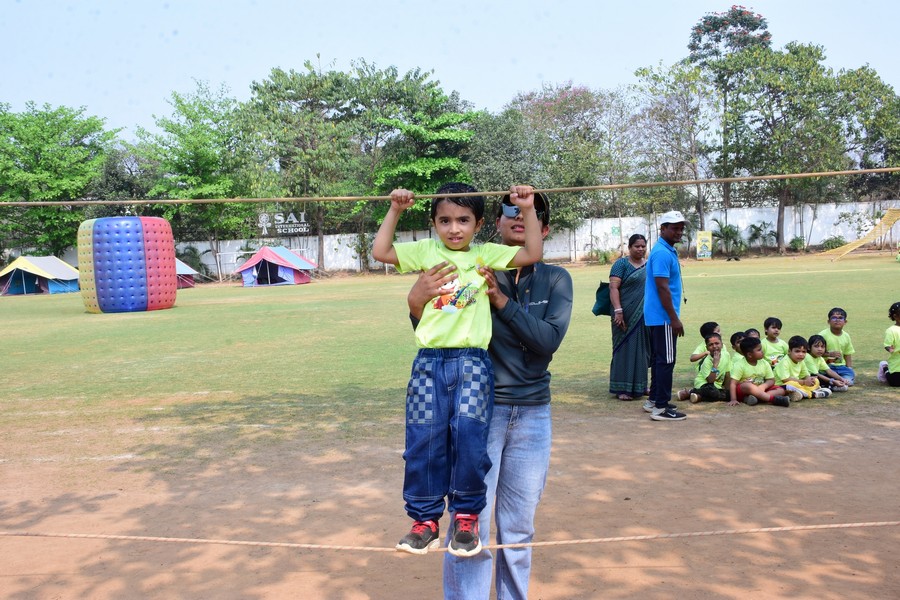
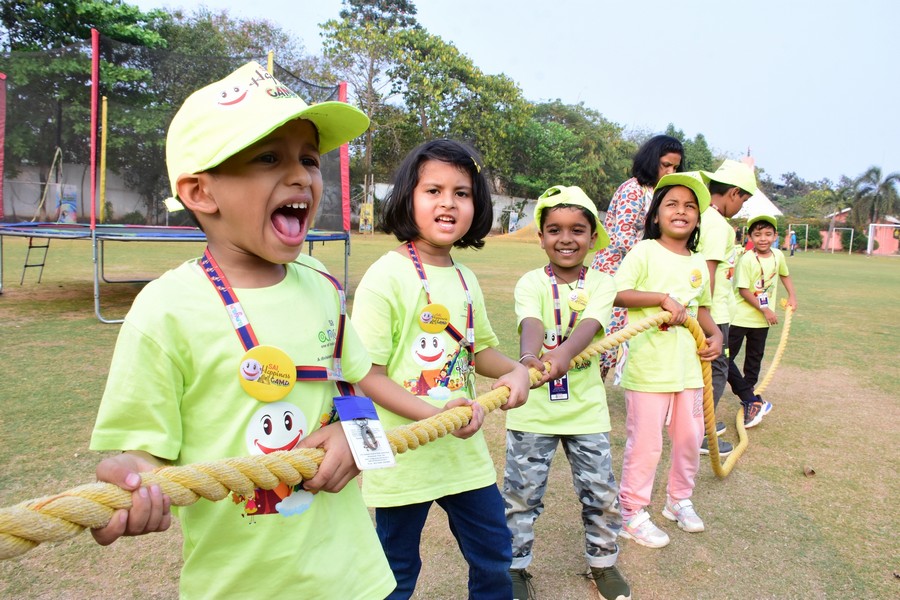
In a world where structured activities dominate childhood, research from Scandinavian countries reveals a surprising truth—risky play is essential for developing resilience, problem-solving skills, and spatial intelligence. Outdoor activities like climbing trees, balancing on logs, and exploring uneven terrain enhance cognitive development by improving a child’s ability to assess risks and make independent decisions.
Studies show that children who engage in controlled risk-taking are more adaptable, confident, and better equipped to handle challenges. They develop stronger motor skills, better spatial awareness, and emotional resilience, preparing them for real-world problem-solving.
Safe Ways to Introduce ‘Risky Play’ at Home and School
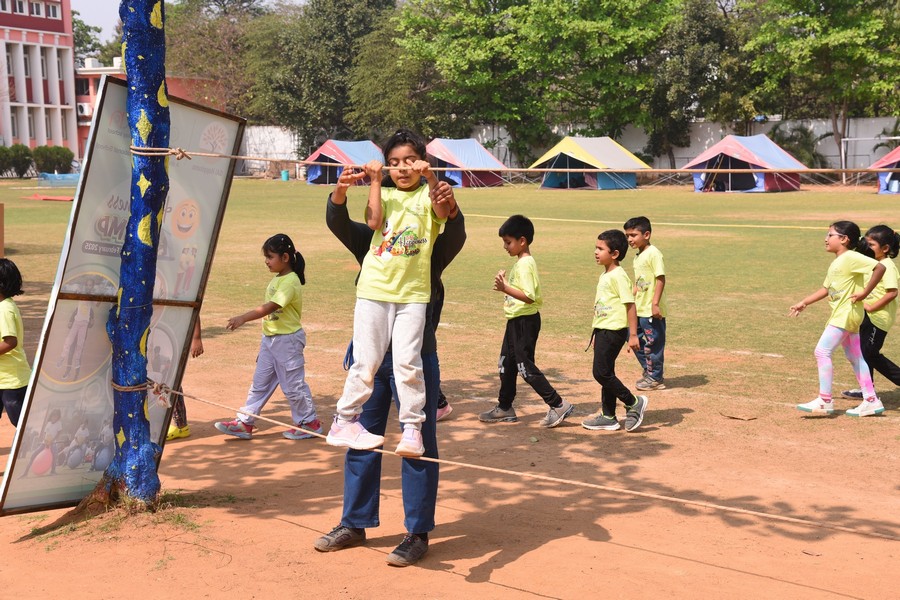
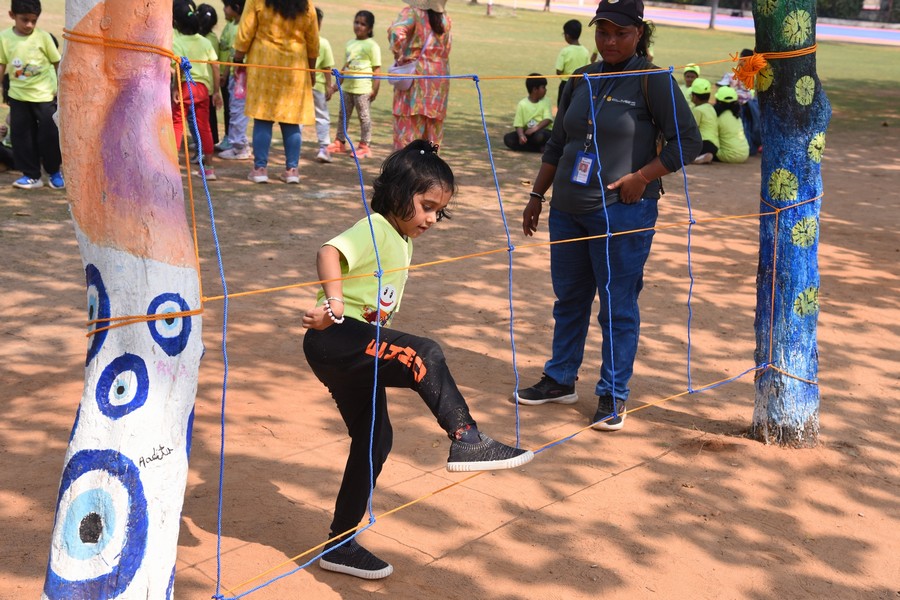
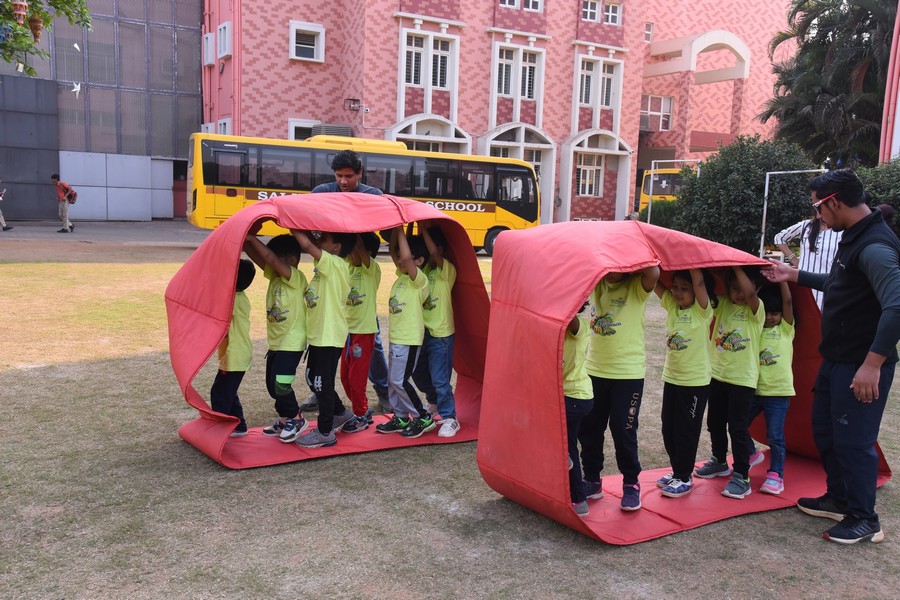
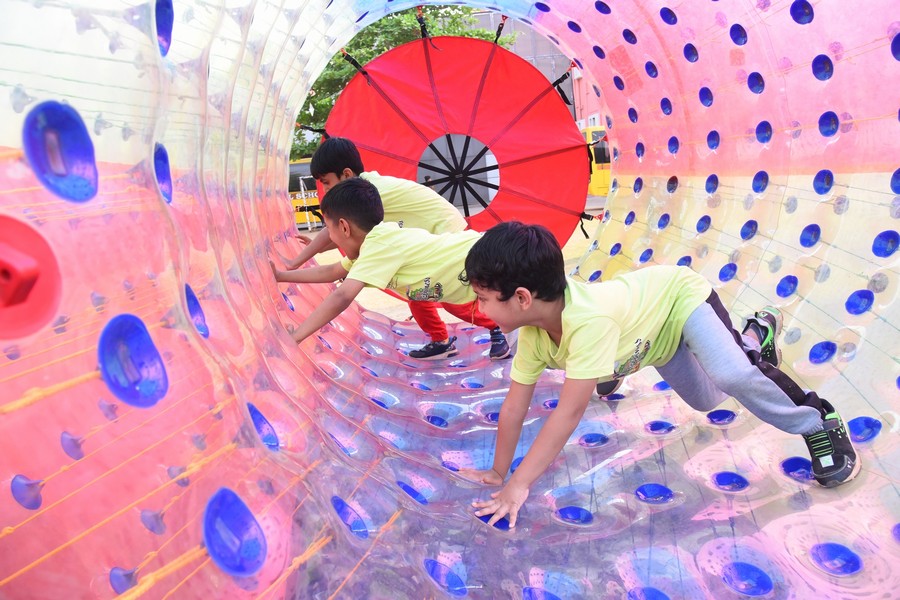
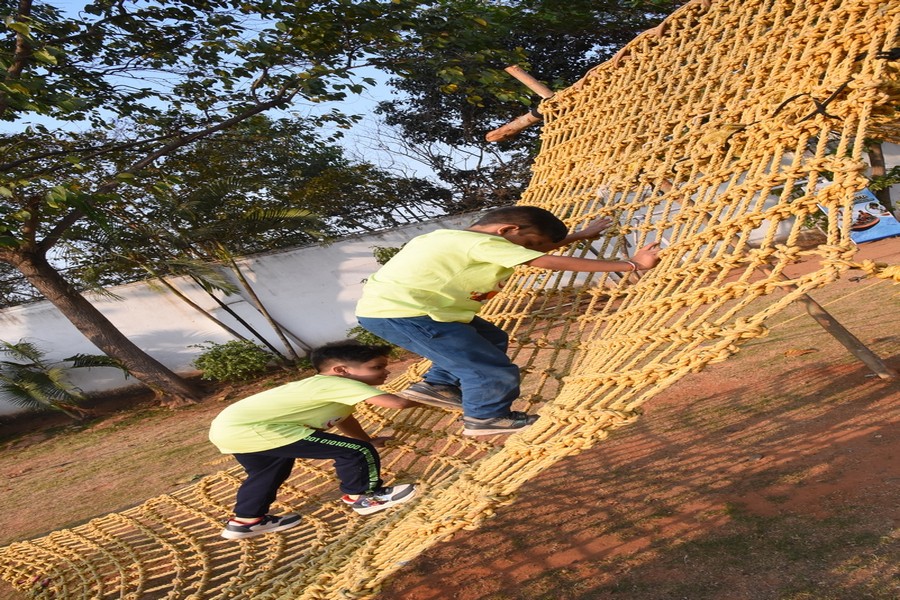
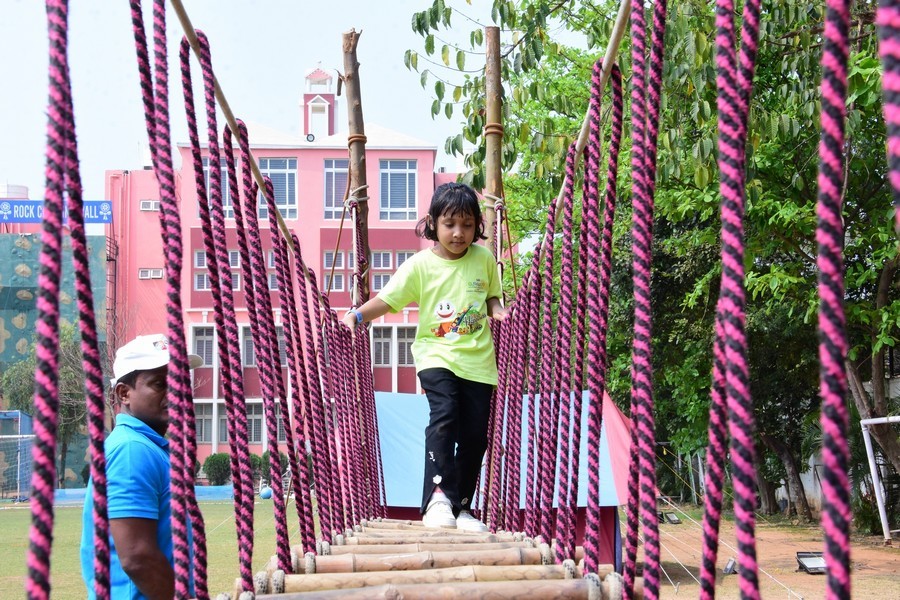
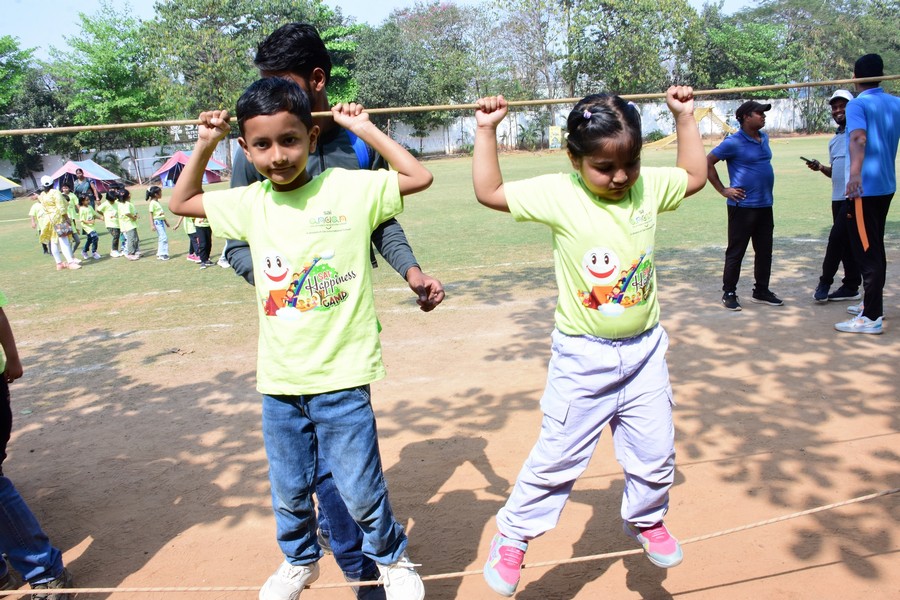
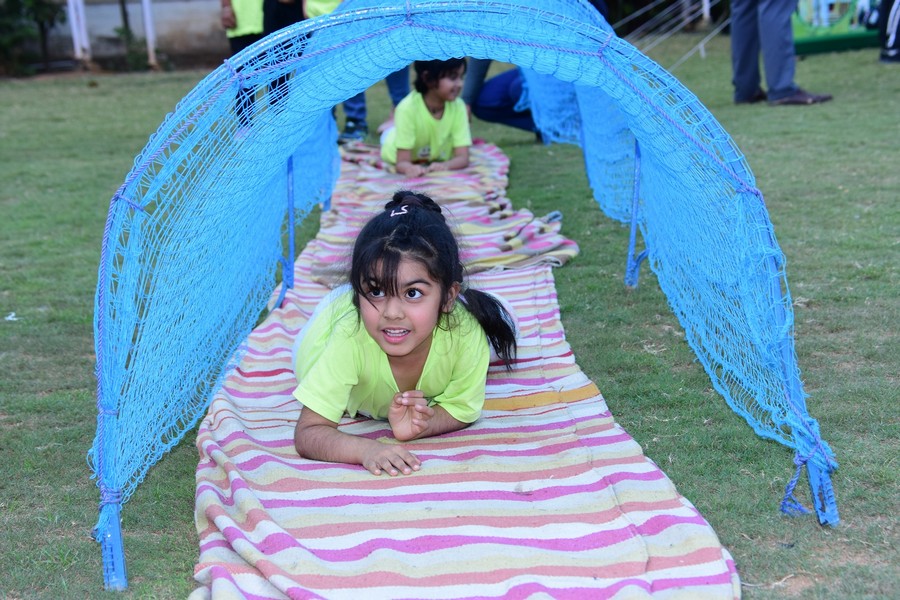
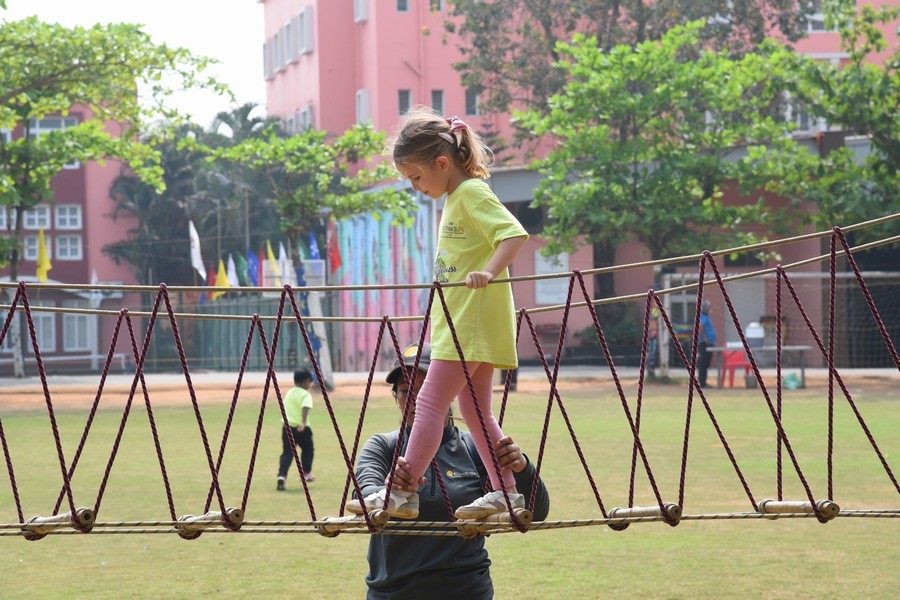
Adventure Playgrounds: Encourage climbing frames, rope bridges, and obstacle courses.
. Nature Walks: Let children explore different terrains, climb small rocks, or balance on fallen logs.
. Supervised Rough-and-Tumble Play: Allow safe, physical interaction that builds body coordination.
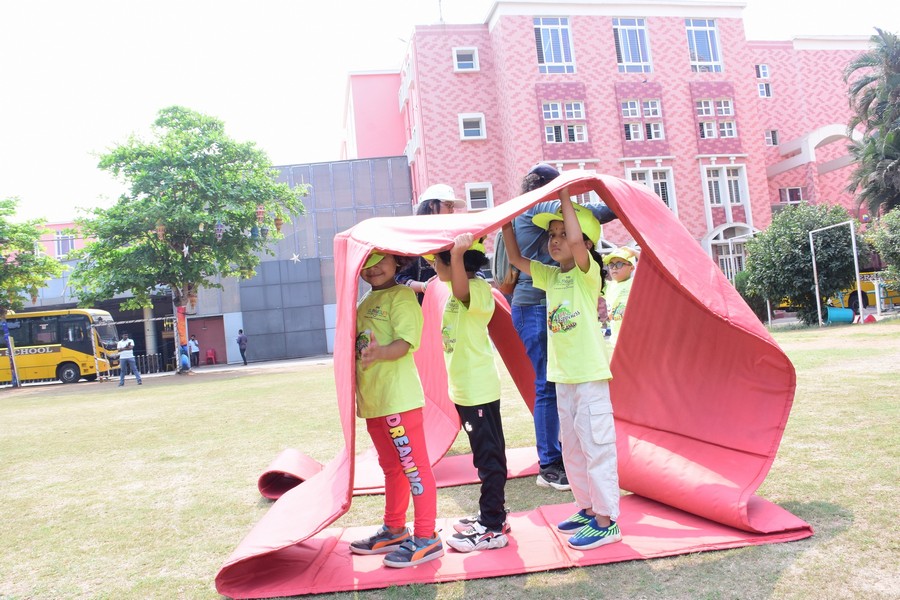
. DIY Risk Zones: Set up safe climbing structures, water play areas, or outdoor balancing beams.
. Encourage Independent Problem-Solving: Let children figure out their own way through play challenges rather than intervening immediately.
By allowing children to take small risks in a safe environment, parents and educators can help them develop confidence, intelligence, and a lifelong love for exploration.
The Hidden Power of ‘Risky Play’: How Climbing, Falling, and Getting Dirty Build Smarter Kids