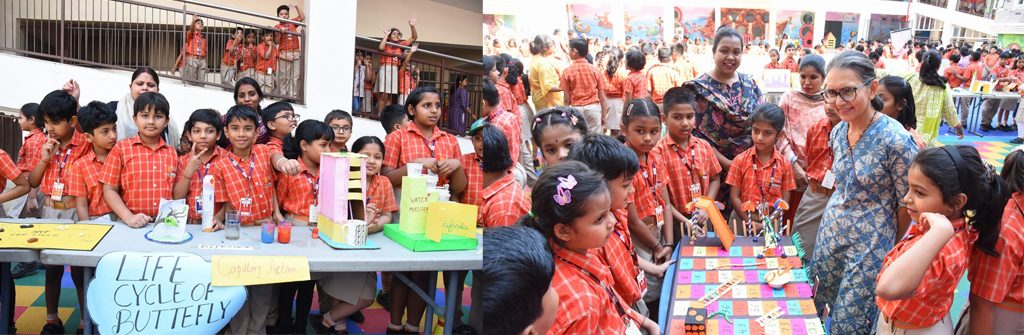
“When children tinker, they’re not just fixing toys—they’re fixing the way they see challenges.”— Pranav Ghosh, Early STEAM Education Advocate
It starts with a question: What happens if I mix this with that?
And just like that, science begins—not in labs, but in tiny hands and curious hearts. The STEAM approach (Science, Technology, Engineering, Art, Math) is making its way into young classrooms, not as a subject but as an adventure.
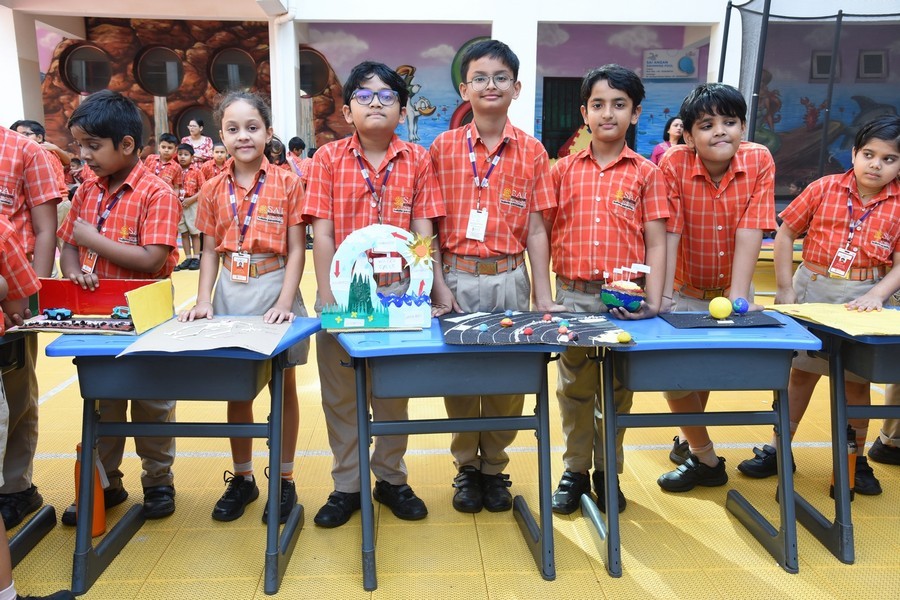
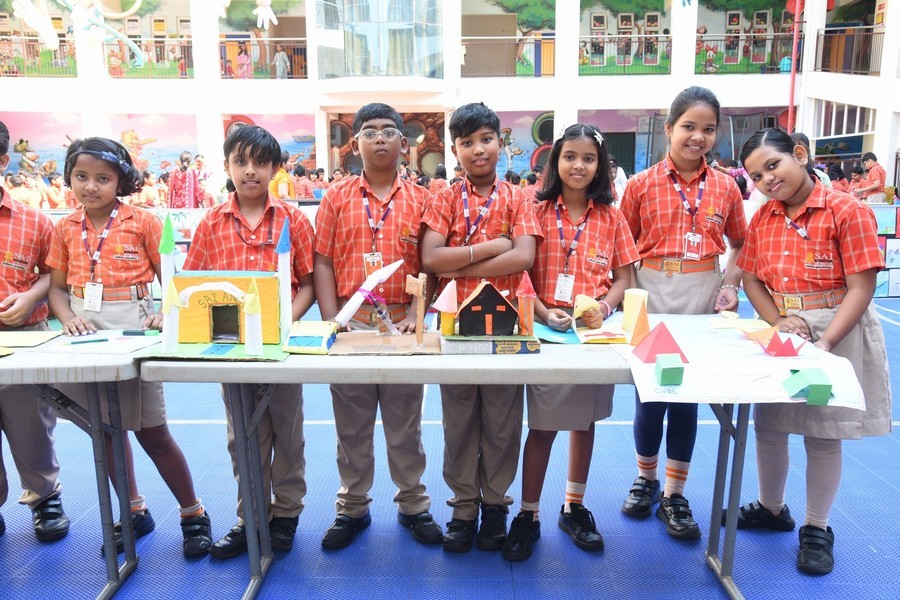
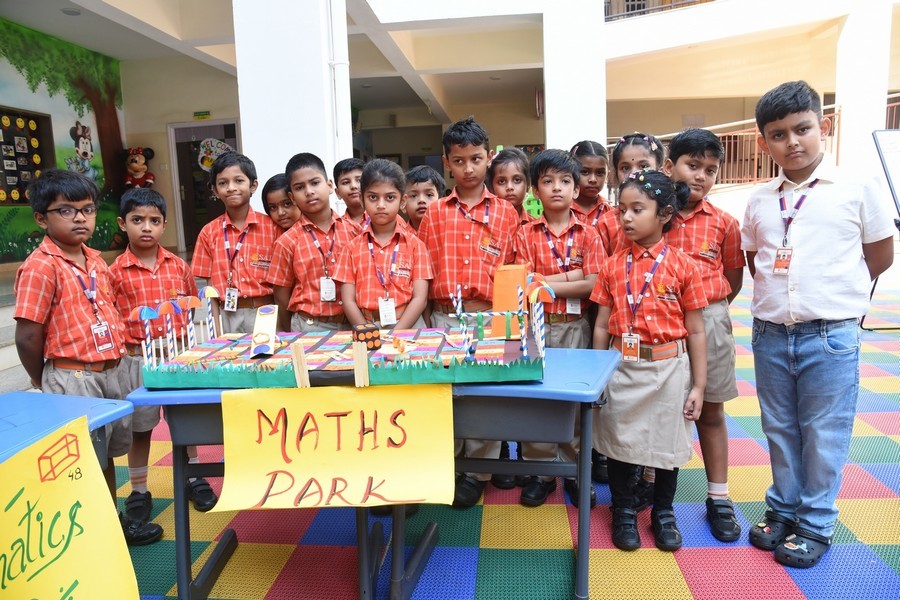
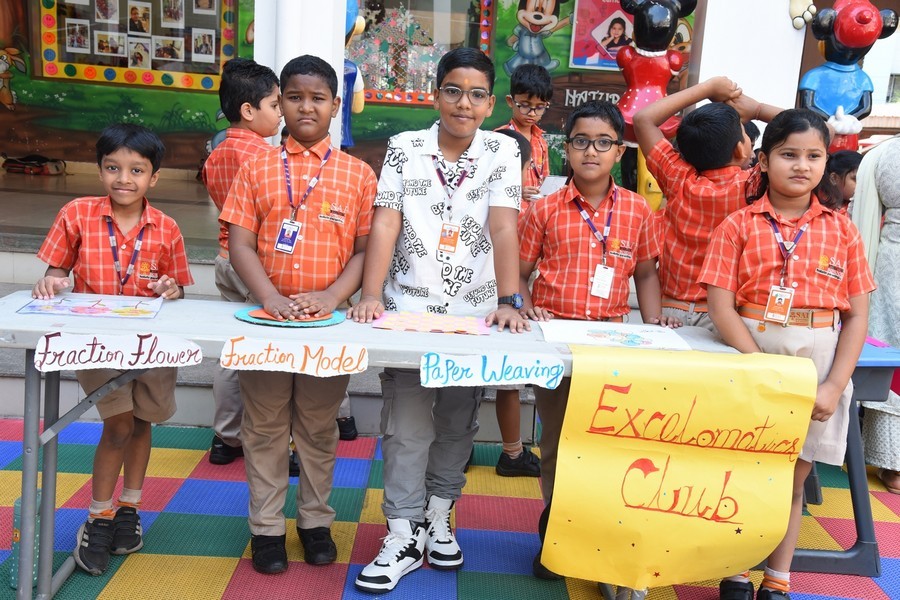
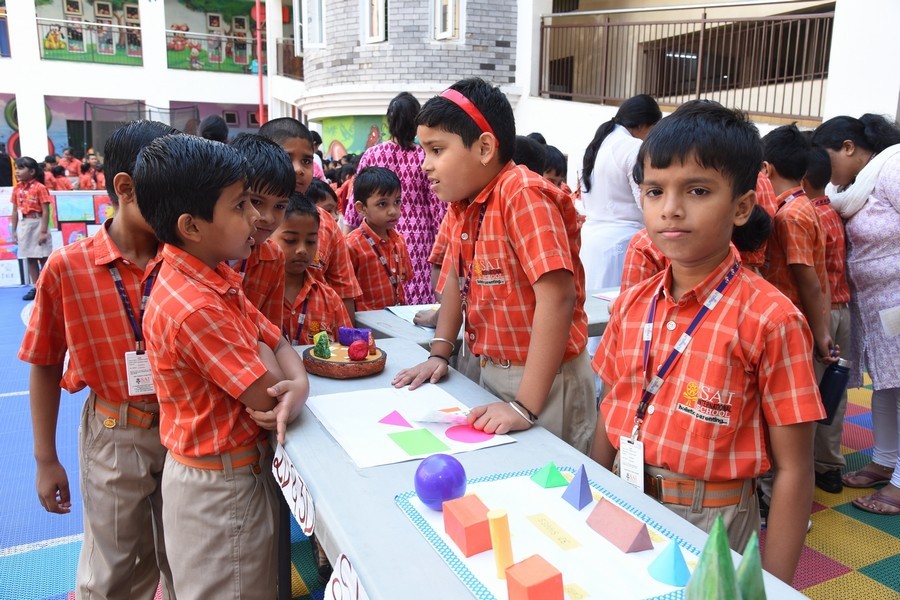
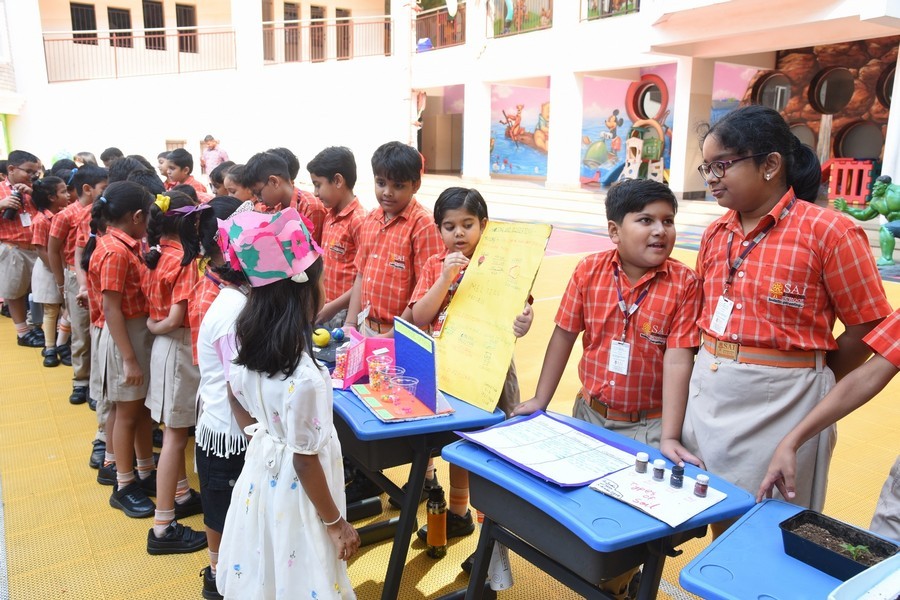
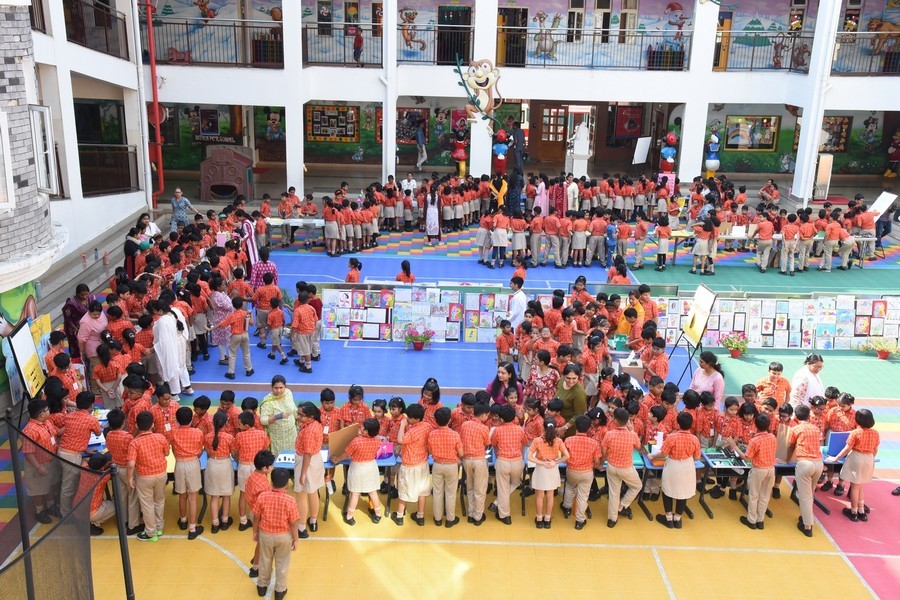
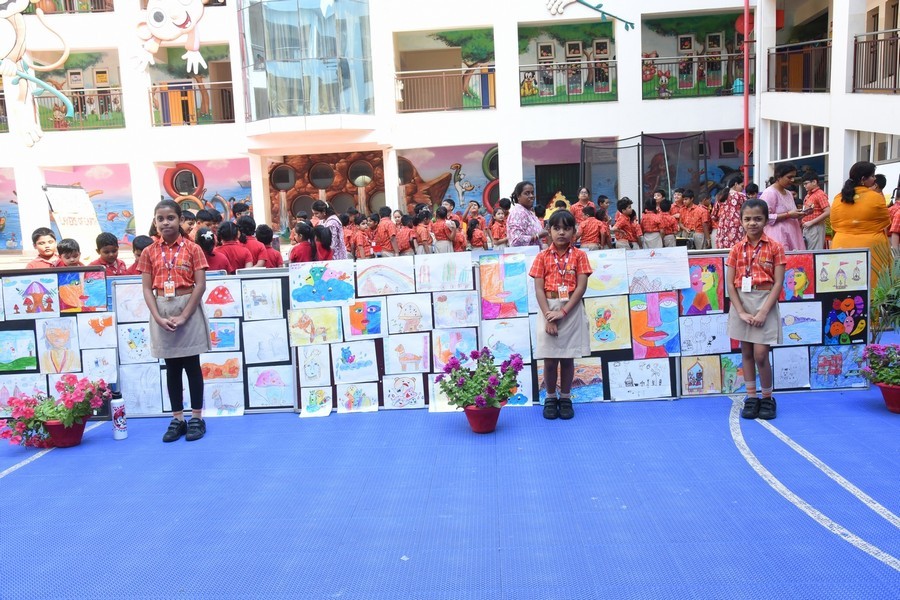
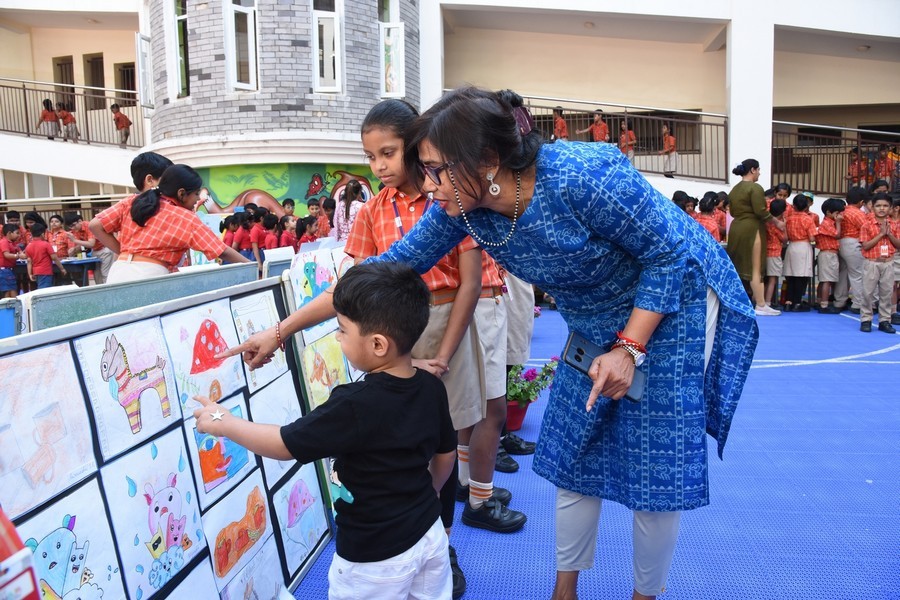
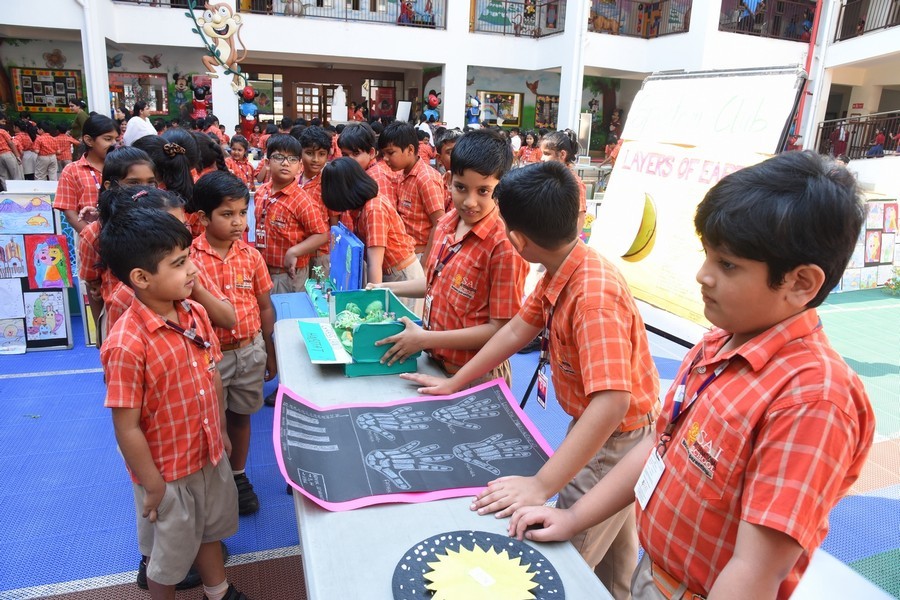
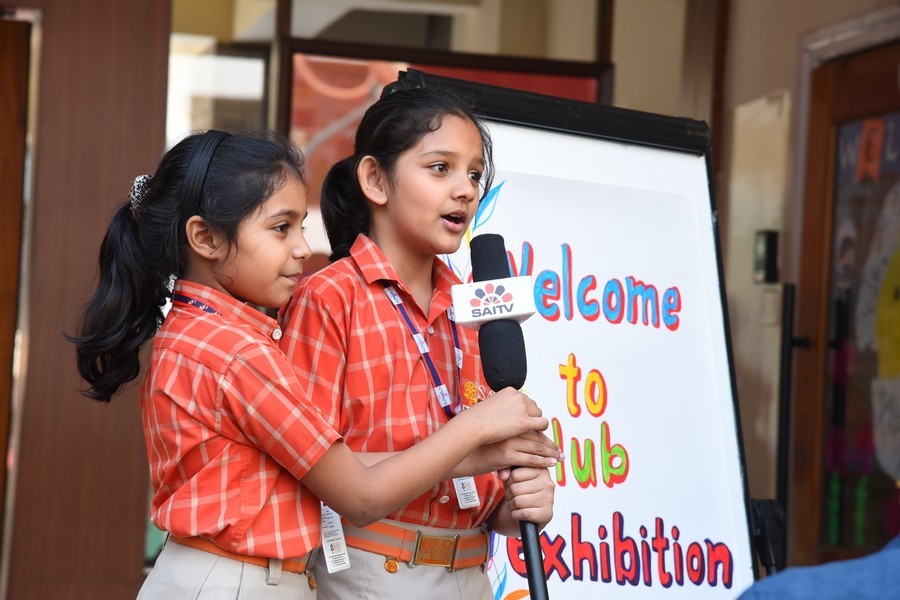
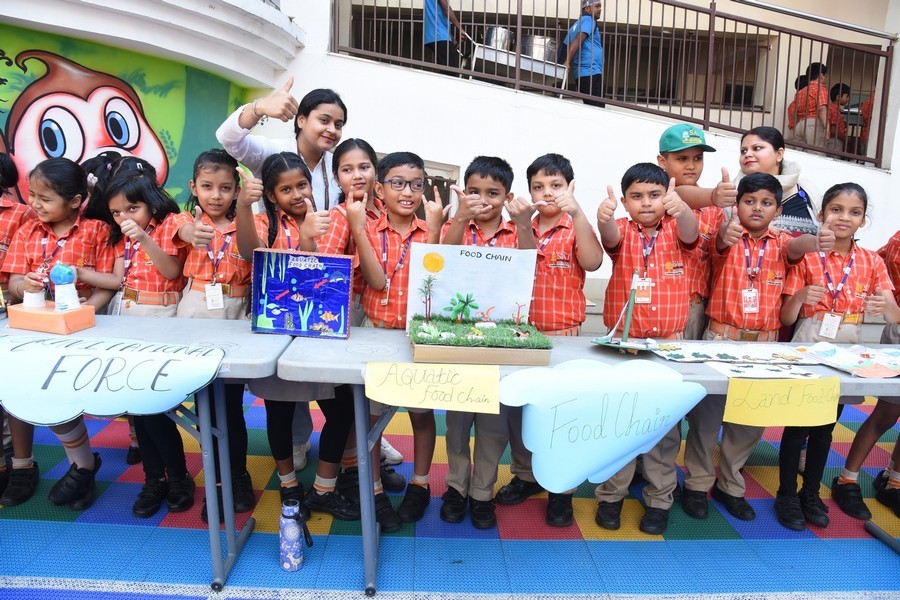
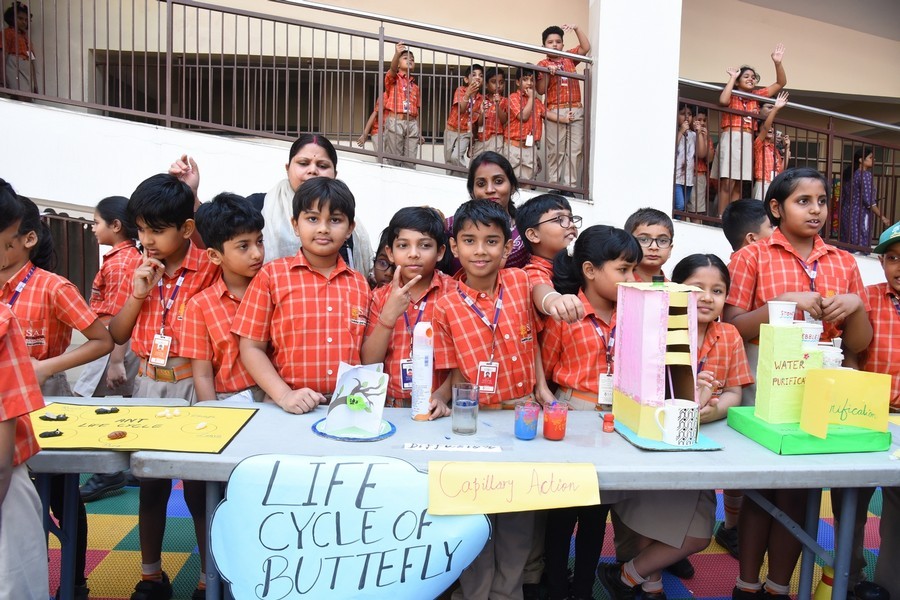
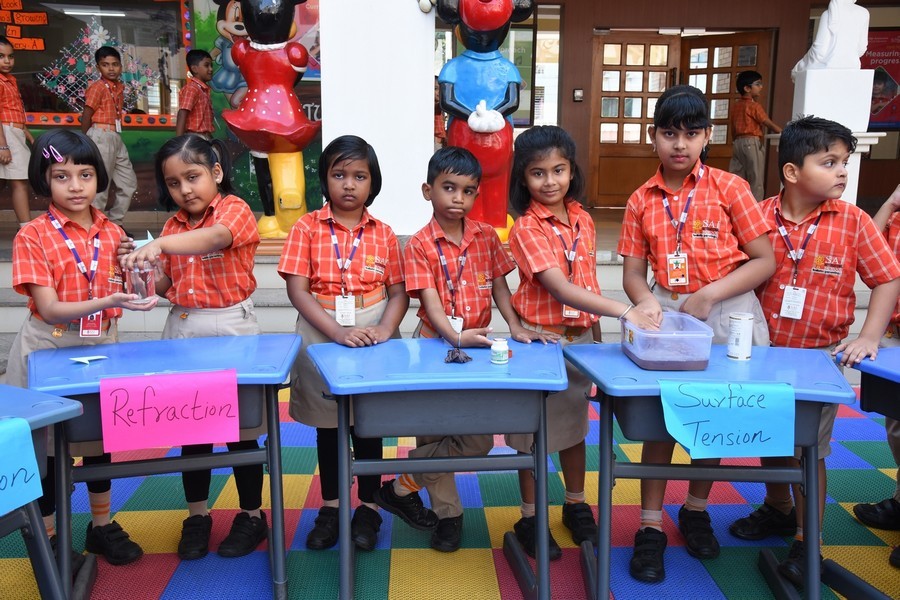
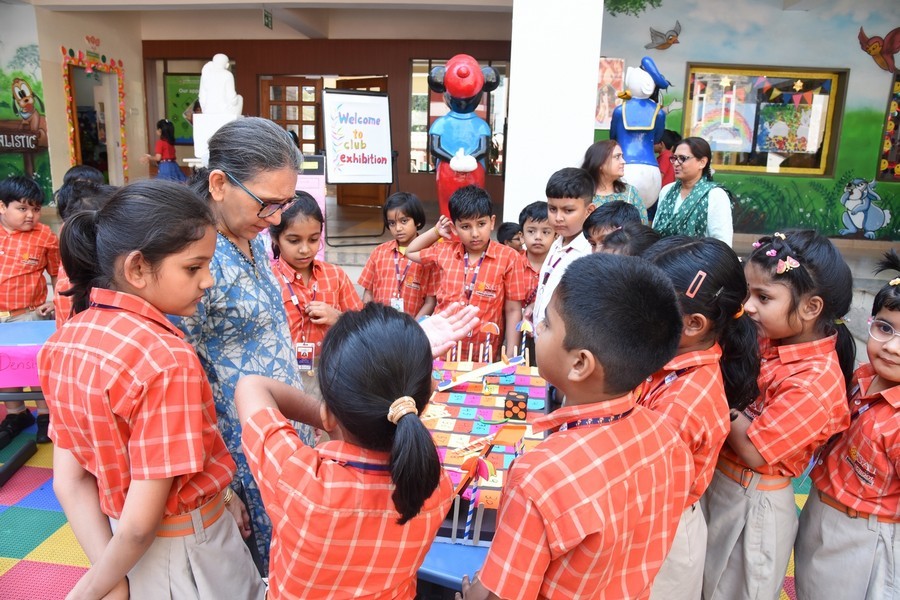
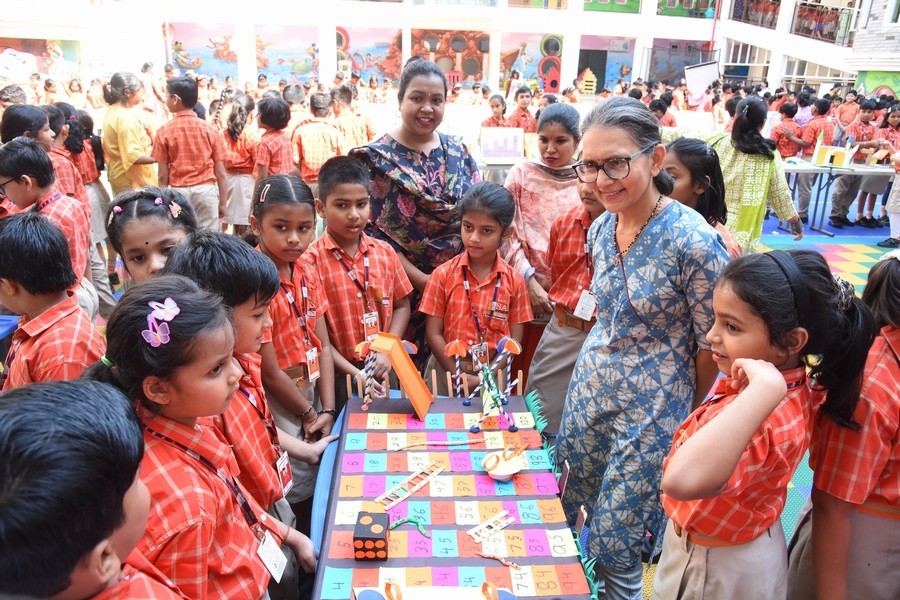
At SAI Angan, STEAM is not an add-on but a part of everyday play—woven into sand pits, craft corners, and nature walks. Children learn through exploration, where every scribble, splash, and structure tells a story of discovery.
From Cardboard to Creativity
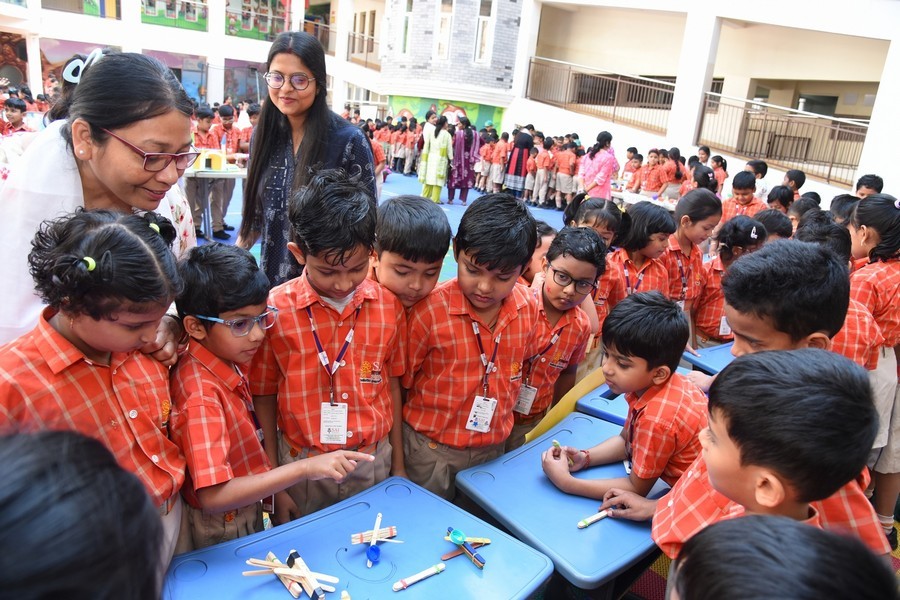
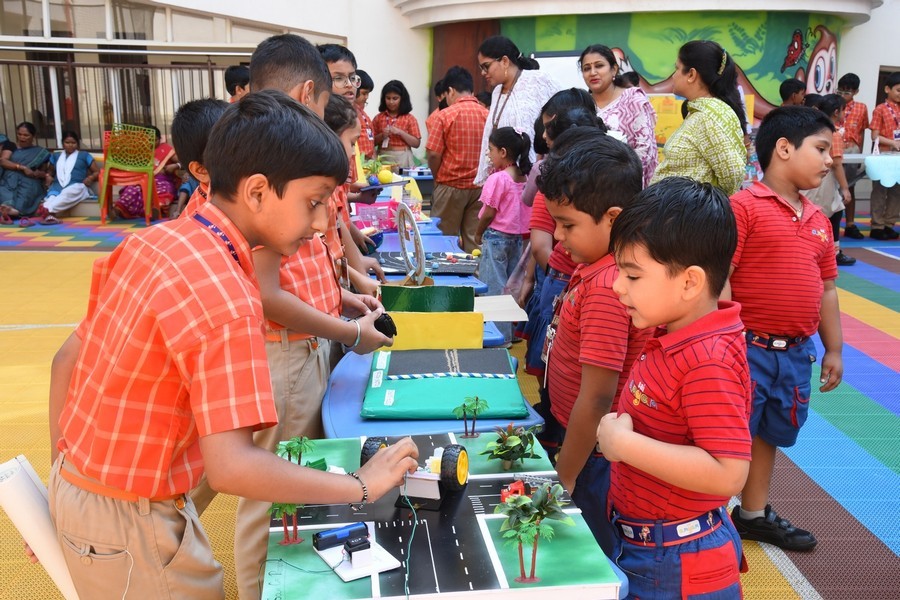
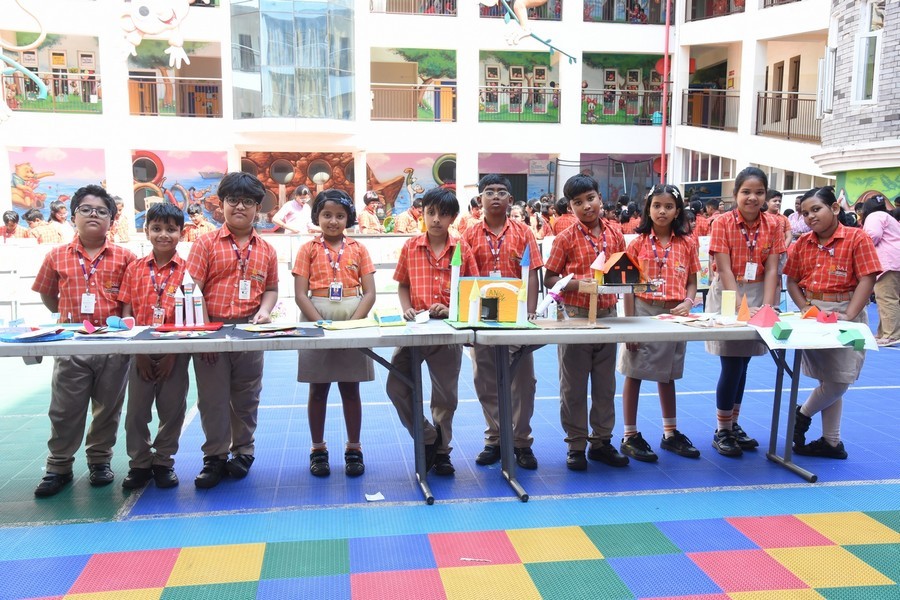
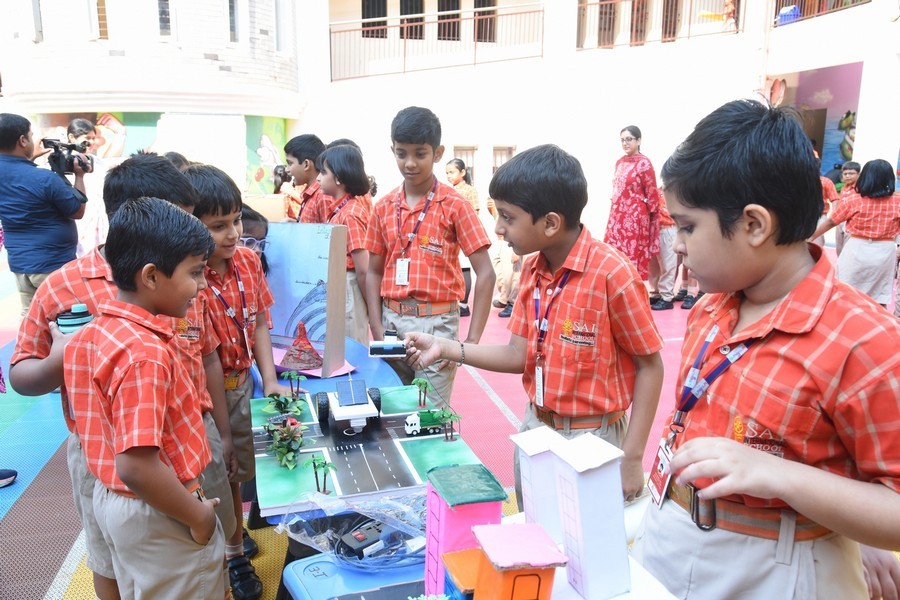
Children build bridges with popsicle sticks, create circuits with clay, and paint what they imagine a robot would dream of. In this mix of art and science, the real magic is not in the final project—but in the journey of asking, failing, re-trying, and laughing along the way.
Learning That Sticks
When a Class II student discovers how gears turn using a toy car, or a Class III child writes a song about planets, they’re not just absorbing facts—they’re owning them. That’s the power of STEAM. It builds problem solvers, thinkers, and creators—one experiment at a time.
The Outcome? Confidence in Curiosity
By learning through making, children realise that every mistake is a step toward discovery. And that learning isn’t about answers—it’s about asking bold, messy, joyful questions.
Teacher’s Thought: “I don’t give answers anymore—I give them the tools to find their own.”
Parent’s Perspective: “My child asked me why the moon doesn’t fall. I didn’t know—but we found out together!”
STEAM for Small Minds: Tinkering with Big Ideas