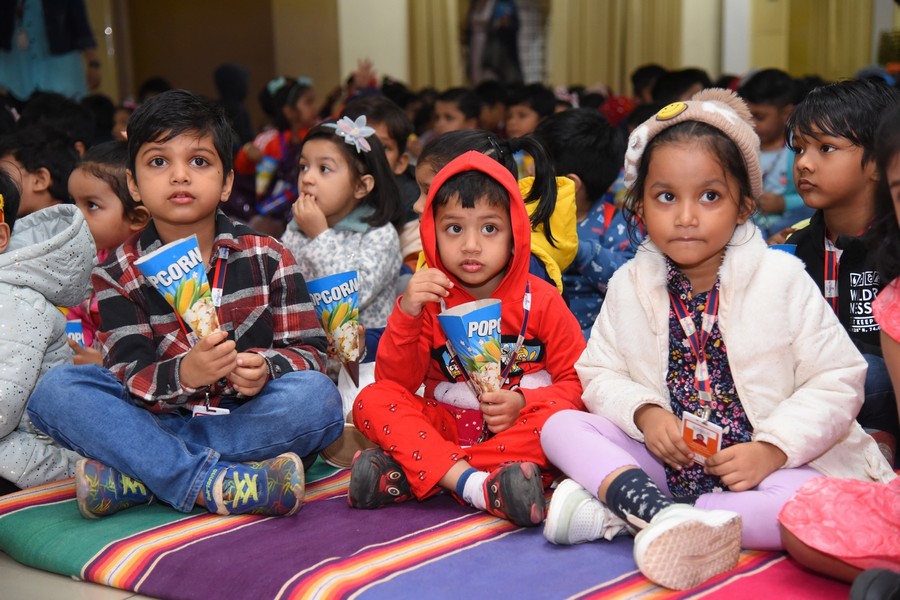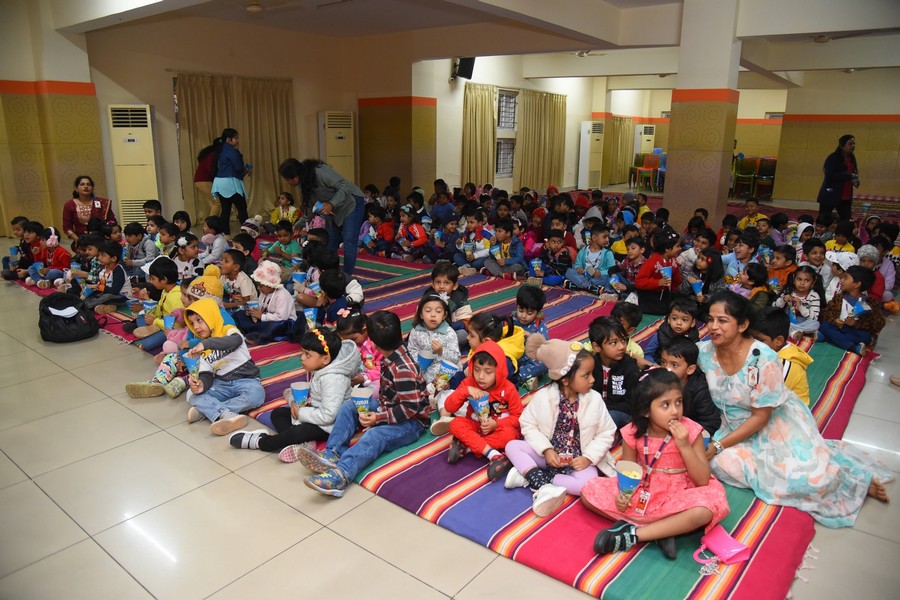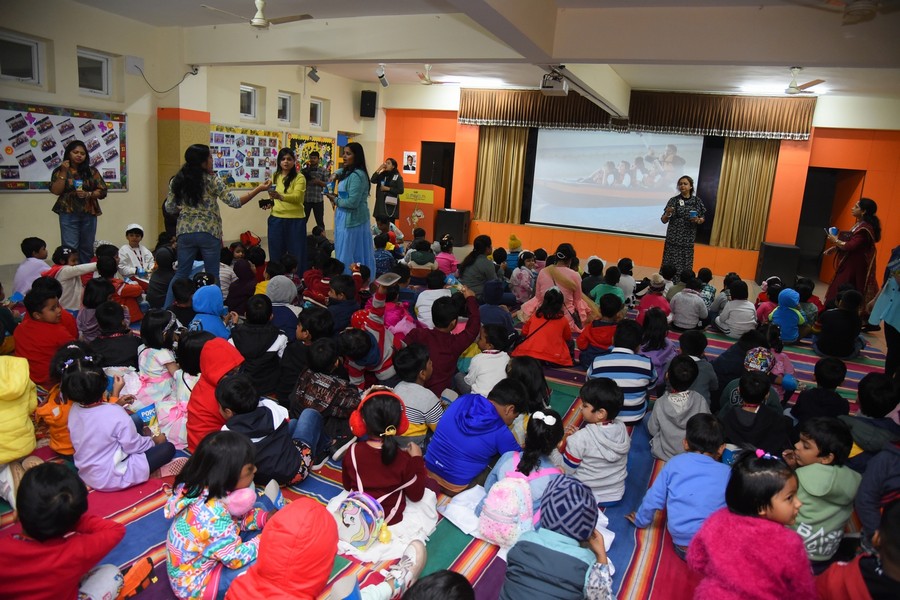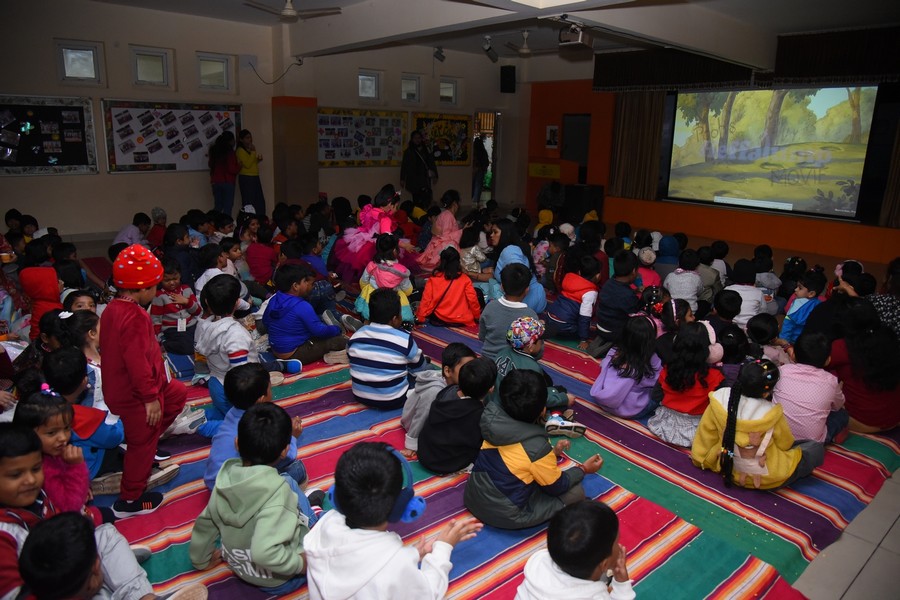
“The best preparation for tomorrow is giving children meaningful experiences today.”- Anonymous
We’ve all been there—handing a tablet to a fussy toddler just to get five minutes of peace. Guilt follows, but here’s the truth: Screens aren’t evil—it’s how we use them that matters. New research (2023–2024) shows that not all screen time is equal, and with smart strategies, parents and schools can find a healthy balance.
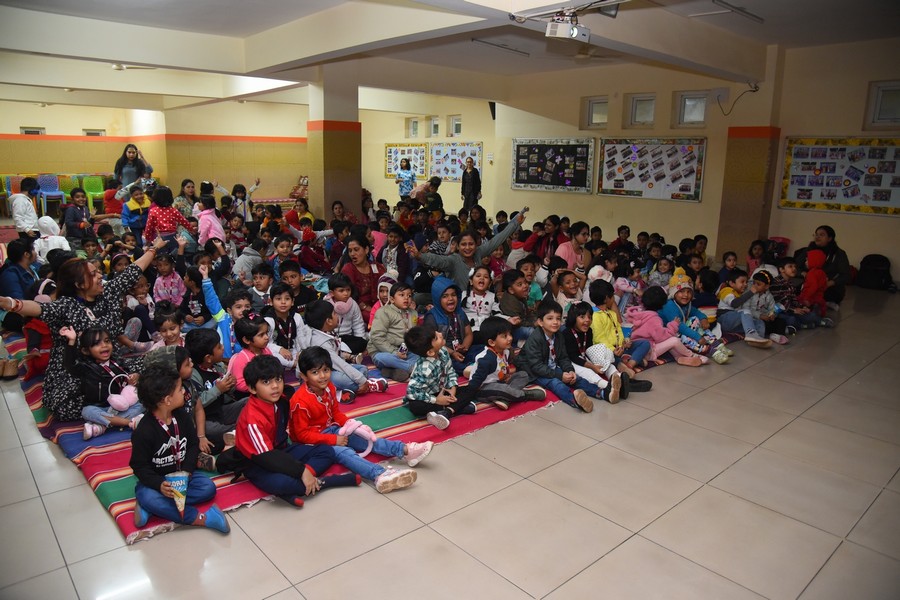
At SAI Angan, we’ve seen firsthand how a “tech-aware” (not tech-free) approach, combined with purposeful play, helps preschoolers thrive. Here’s what science says—and how we put it into practice.
What New Research Reveals
. Passive vs. Active Screen Time: Mindlessly watching cartoons can overstimulate young brains, while interactive, guided learning apps (used in moderation) may support skills like problem-solving (JAMA Pediatrics, 2023).
. Language Development: Screens replace conversation—the real issue. A study found toddlers with 1+ hour of daily screen time had slower speech, but only if parents didn’t engage with them alongside it (Pediatrics, 2024).
. Sleep & Behavior: Blue light disrupts sleep, and fast-paced shows can make kids more irritable. Even “educational” content before bed backfires.
SAI Angan’s Approach: Tech-Lite, Play-Heavy
We believe in “screens as tools, not babysitters.” Here’s how we balance tech in early learning while prioritizing real-world play:
✔ Structured Screen Time (When Used) – In our Kindergarten program, we use short, teacher-led digital activities (5–10 mins) for concepts like phonics or shapes—always followed by hands-on reinforcement (e.g., tracing letters after a video).
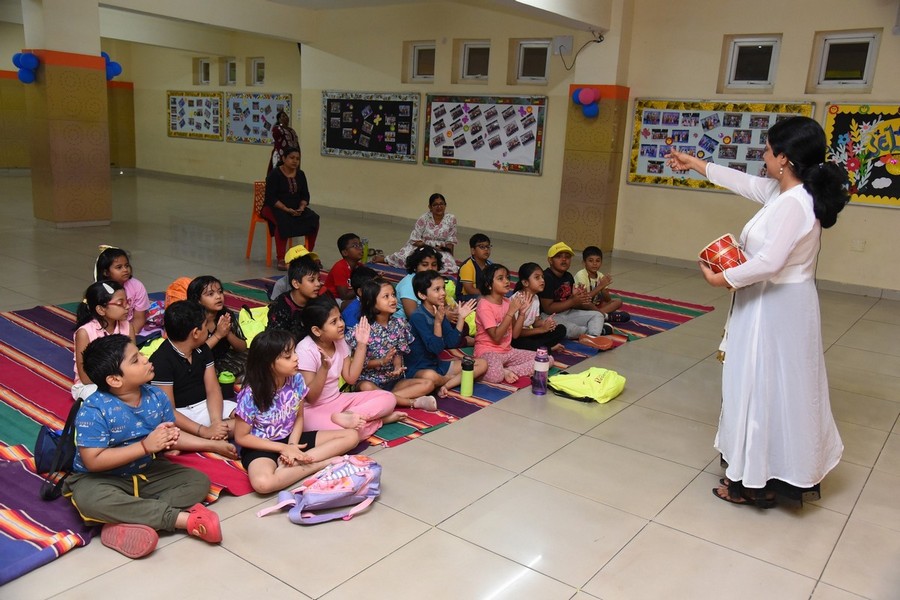
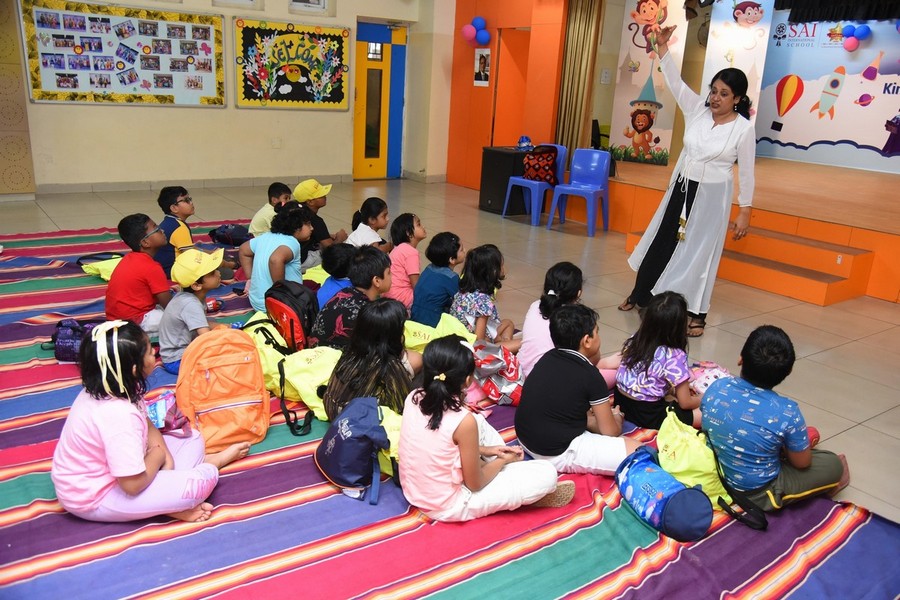
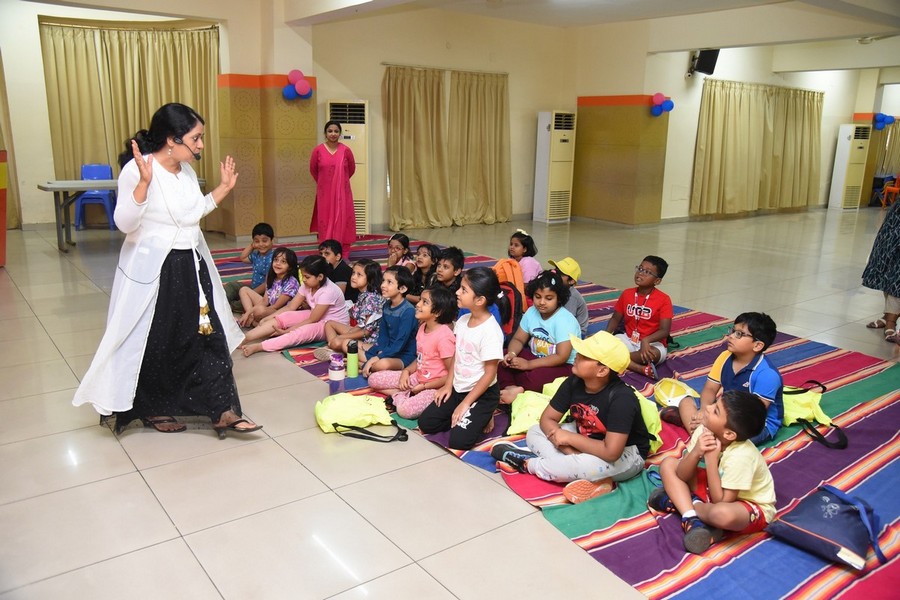
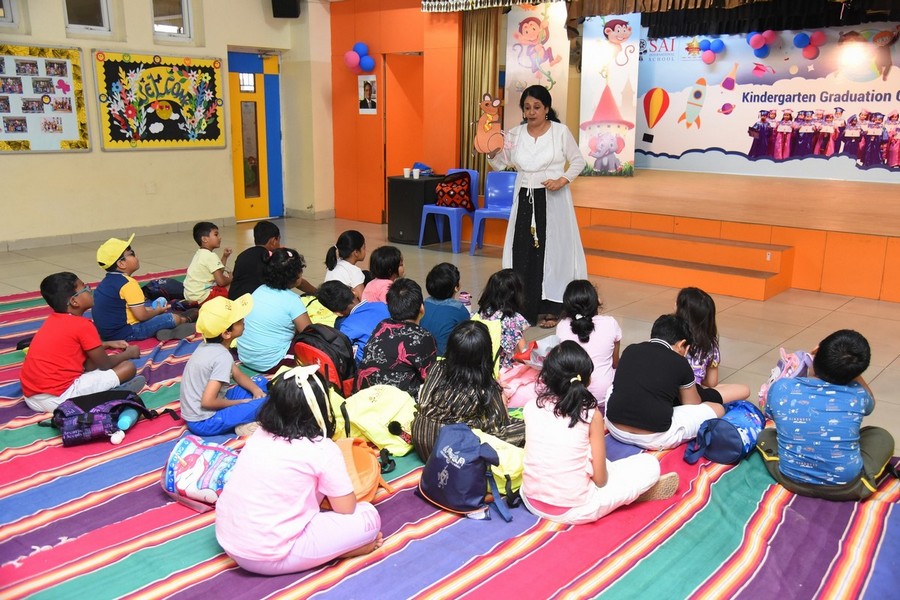
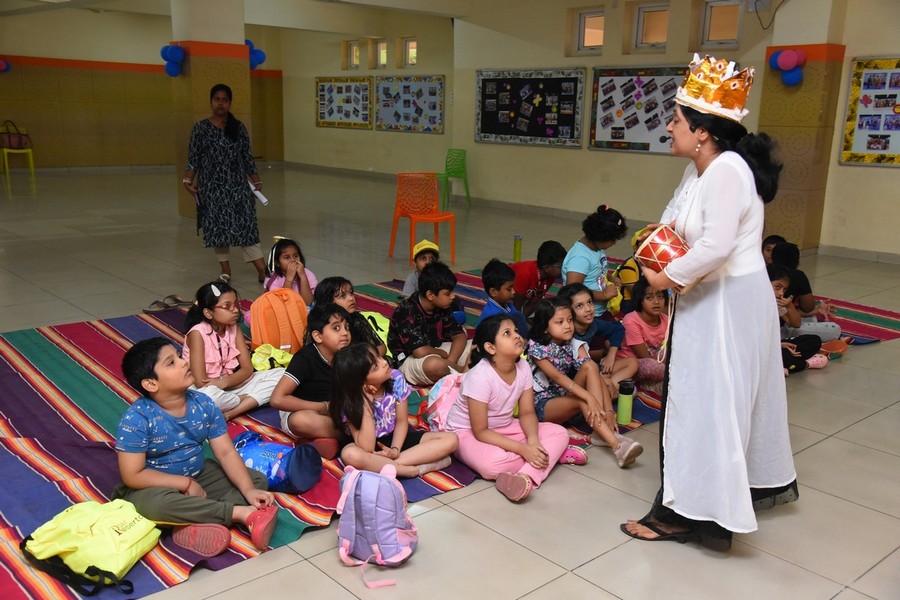
✔ More Talk, Fewer Clicks – Our Playgroup curriculum focuses on verbal interaction, storytelling, and songs to build language—no screens needed. Teachers model “conversational turns” (back-and-forth dialogue proven to grow young brains).
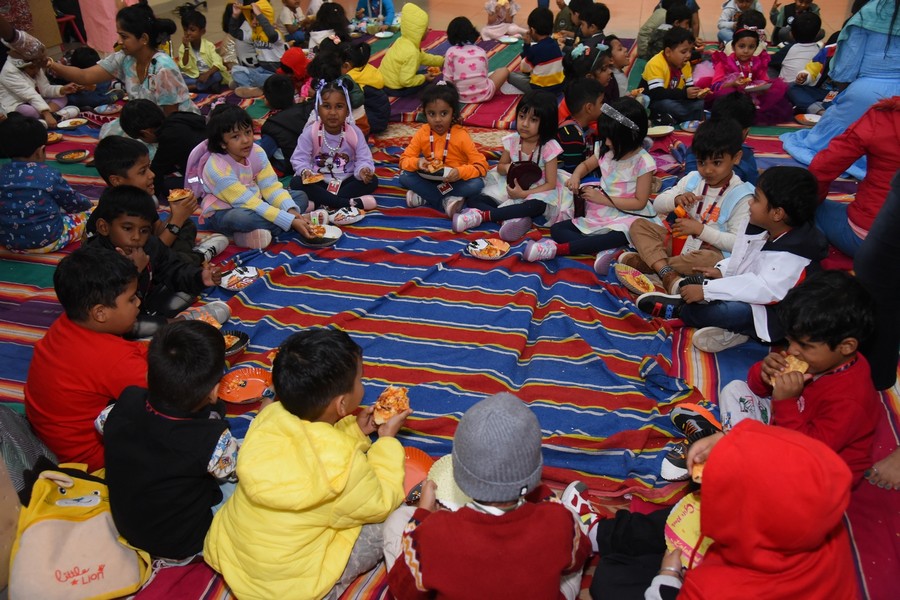
✔ “Movement Over Media” Rule – Instead of tablets during downtime, kids engage in sensory play (sand, water), pretend kitchens, or outdoor climbing—activities that boost focus and motor skills better than any app.
✔ Parent Workshops on “Healthy Tech Habits” – We guide families on “co-viewing” (watching + discussing content together) and easy swaps (e.g., audiobooks for bedtime instead of cartoons).
“Tech-Lite” Tips for Parents (From SAI Angan’s Teachers)
1. Try the “10-Minute Rule”: Short, focused screen time (e.g., one Ms. Rachel song) + discuss after (“Can you clap like her?”).
2. Audio > Video: Replace some screen time with music, podcasts, or storytelling (no visuals = less overstimulation).
3. Tech-Free Zones: Keep meals, car rides, and bedrooms screen-free—small changes make a big difference!
4. “Help Me” Tasks: When you need a break, involve toddlers in real-world activities (sorting laundry, stirring batter). They learn, you get help—win-win!
Screens aren’t the enemy—mindless use is. At SAI Angan, we blend thoughtful tech with play-based learning because tiny brains grow best with human connection, movement, and creativity. You don’t need to ban screens—just make them work for (not against) your child’s development.
Screen Time & Tiny Brains: SAI Angan’s Balanced Approach on Digital Detox for Toddlers