“Children learn best through play and exploration. Engaging them in activities that stimulate their visual skills not only fosters creativity but also lays a strong foundation for language development.” – Fred Rogers
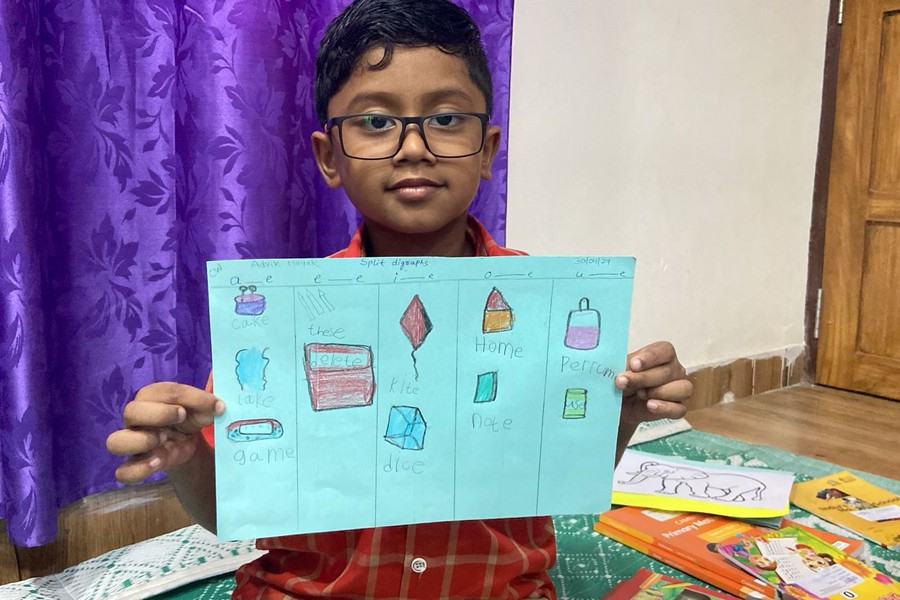
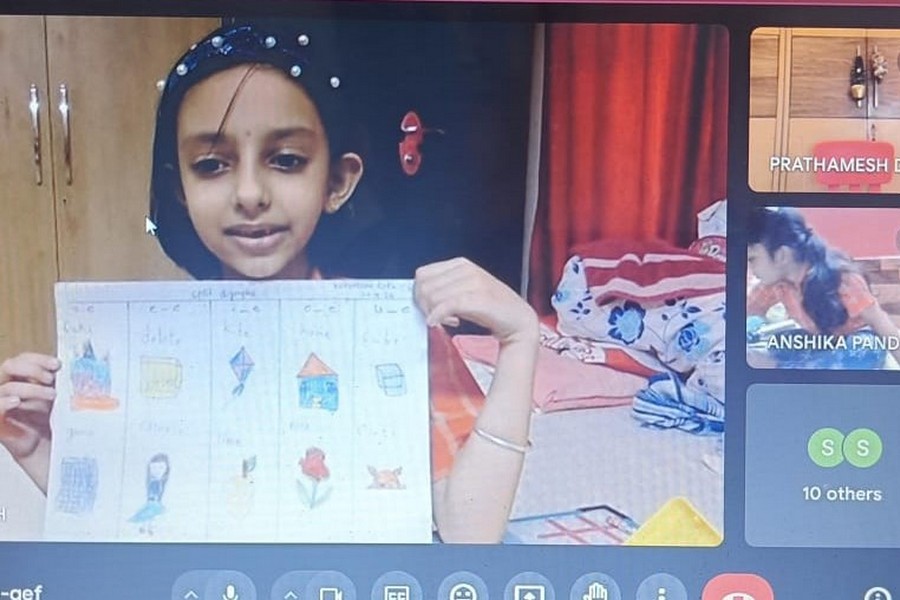
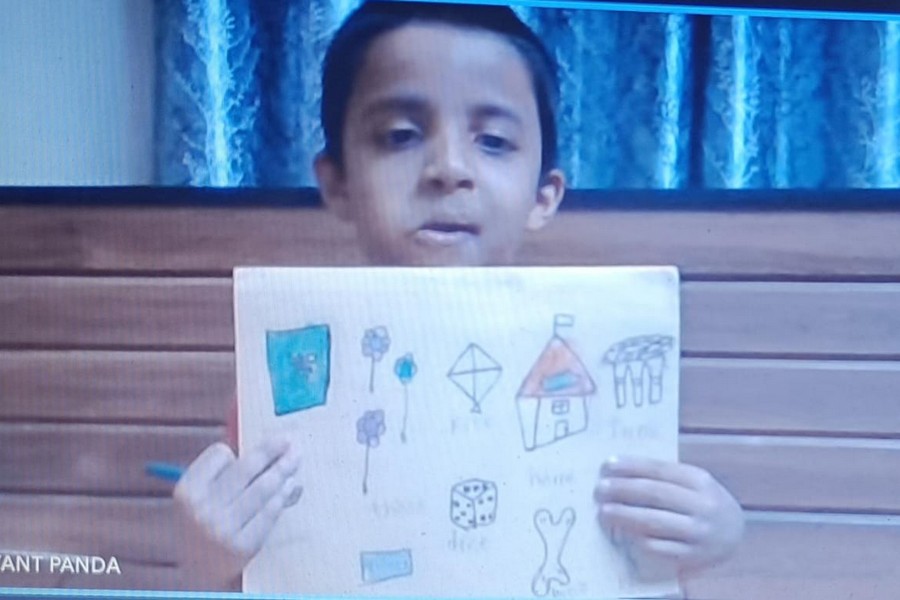
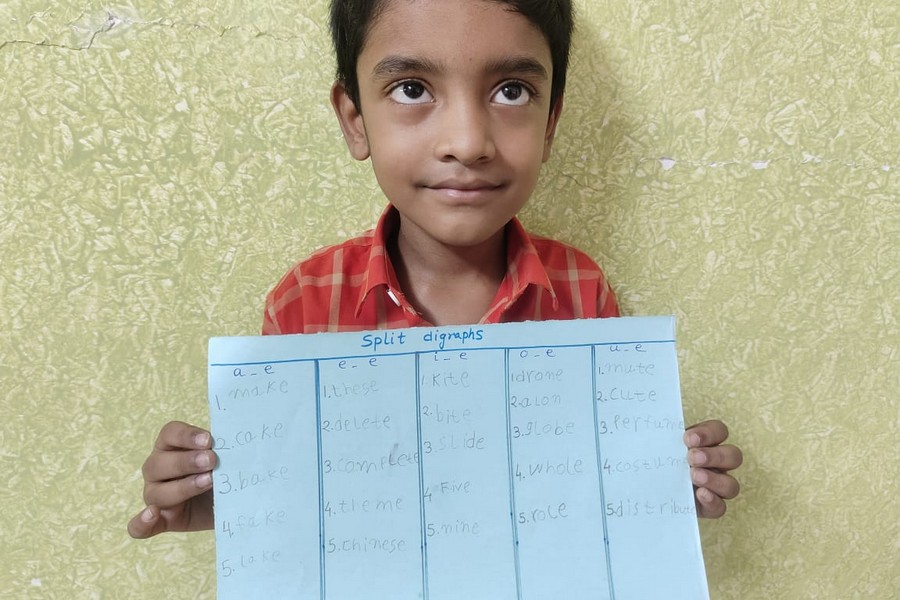
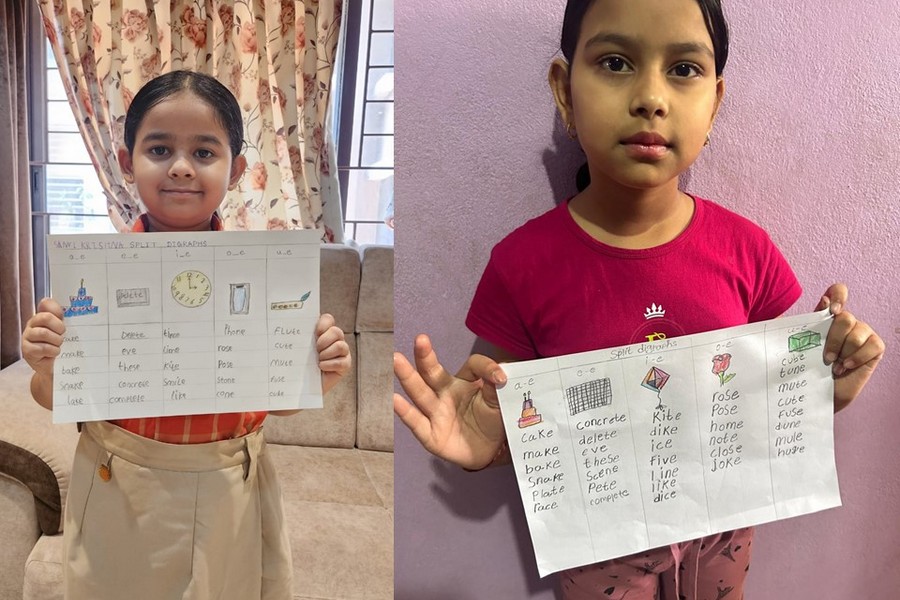
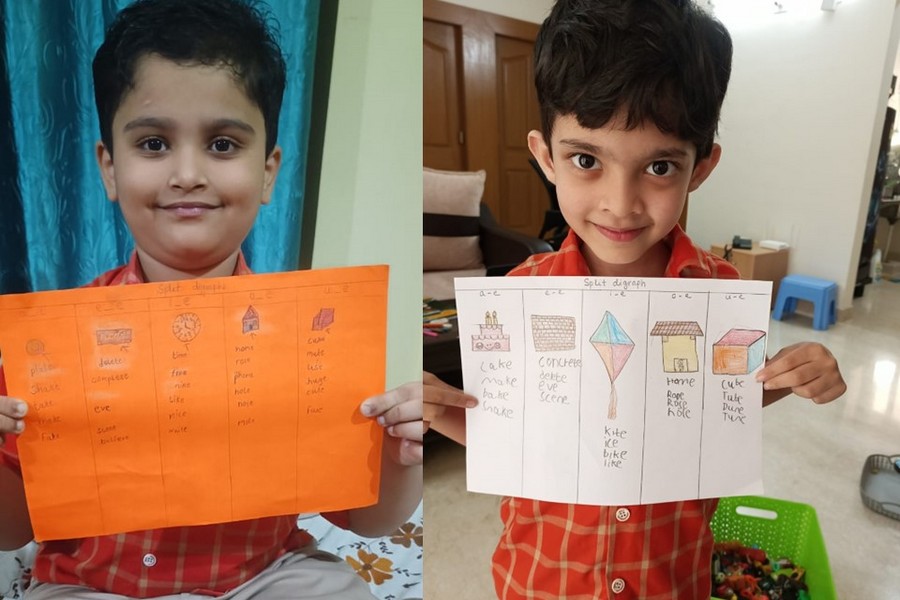
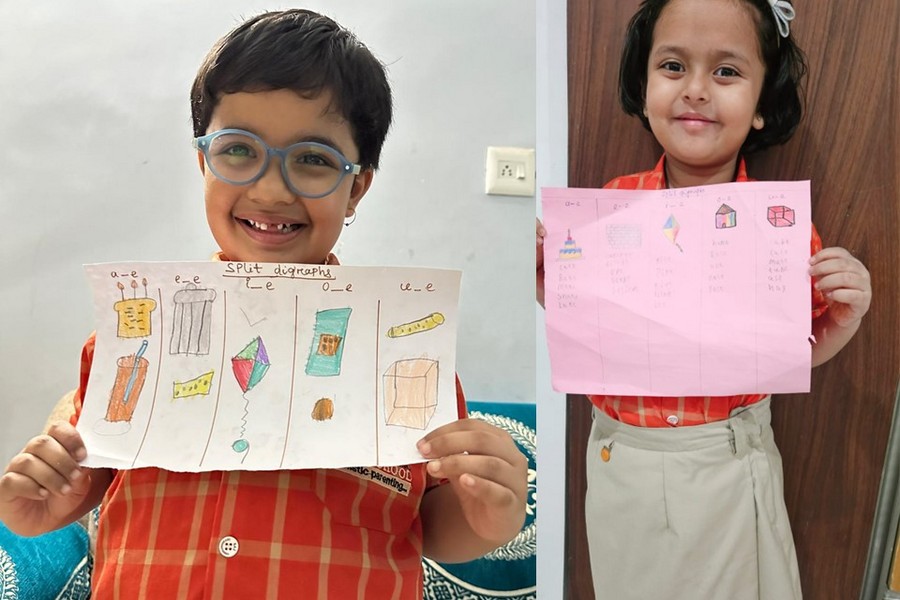
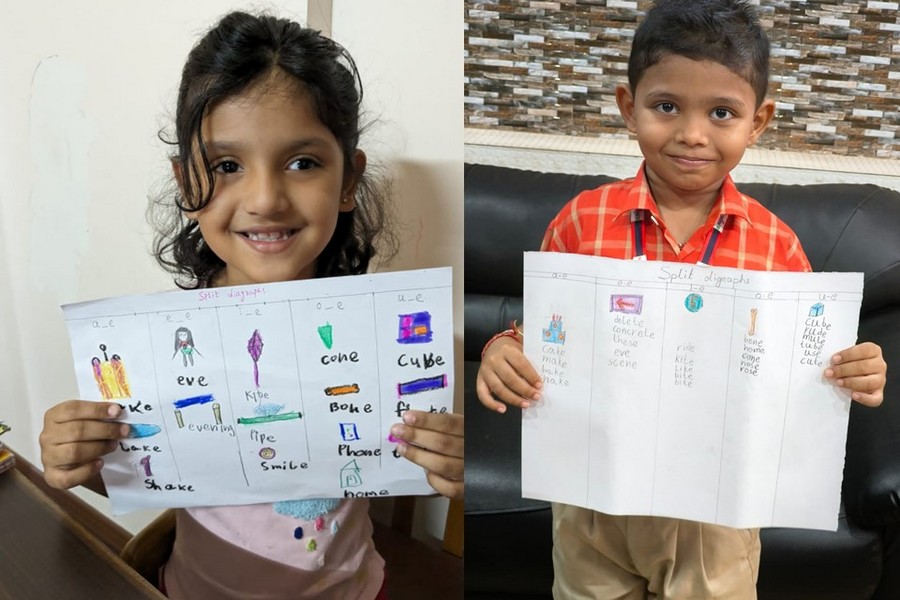
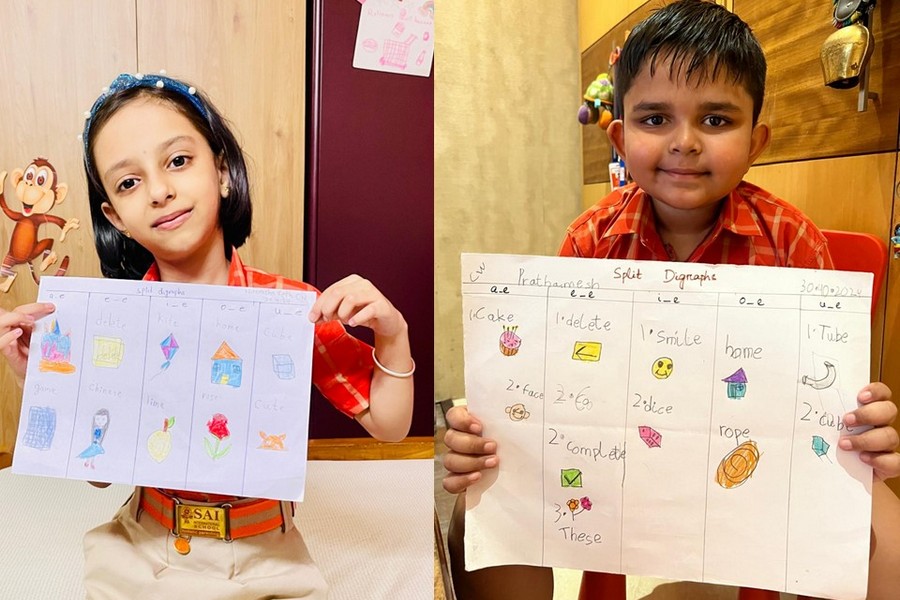
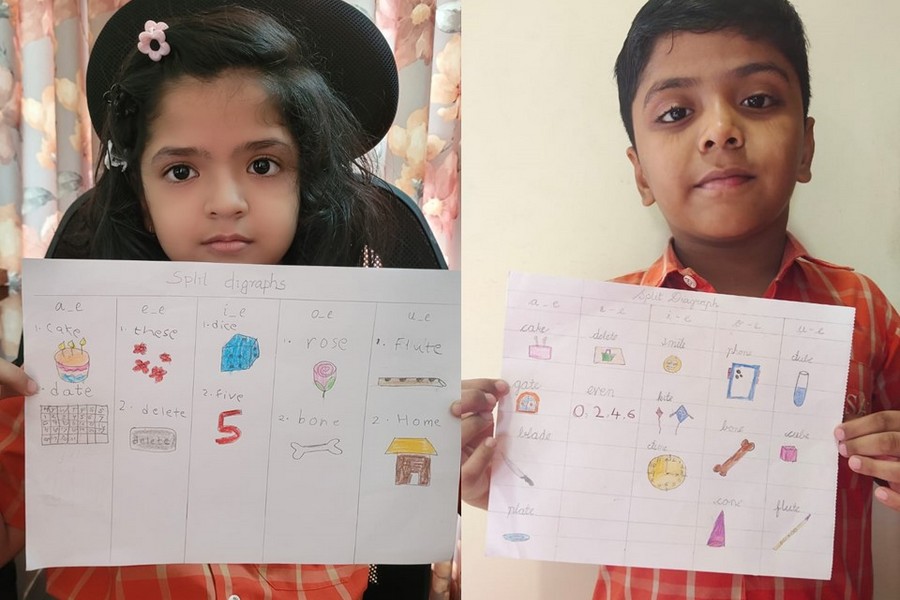
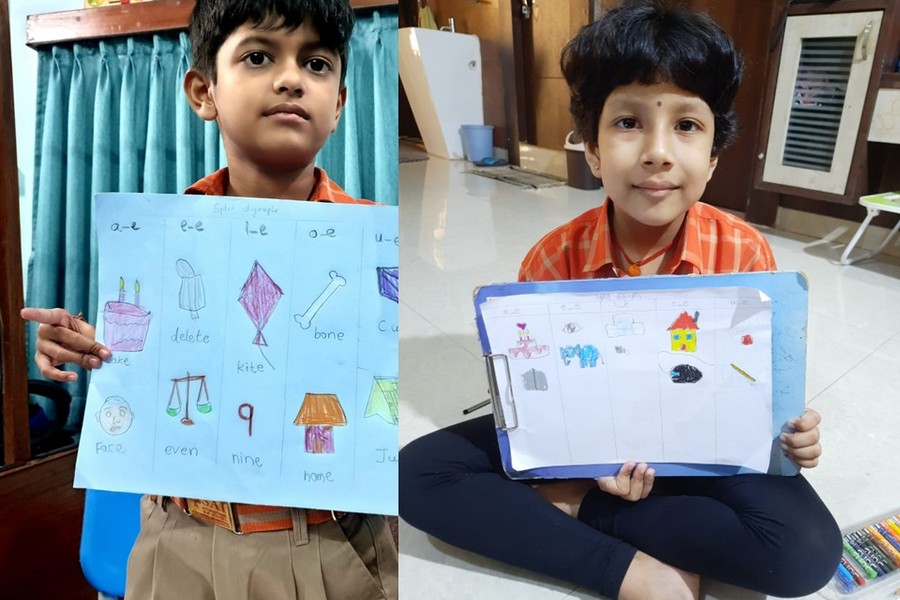
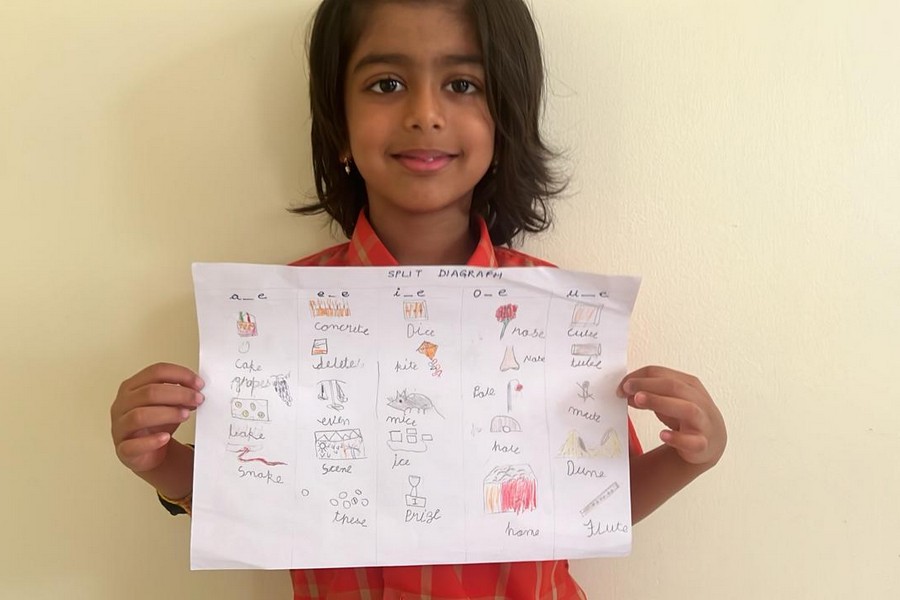
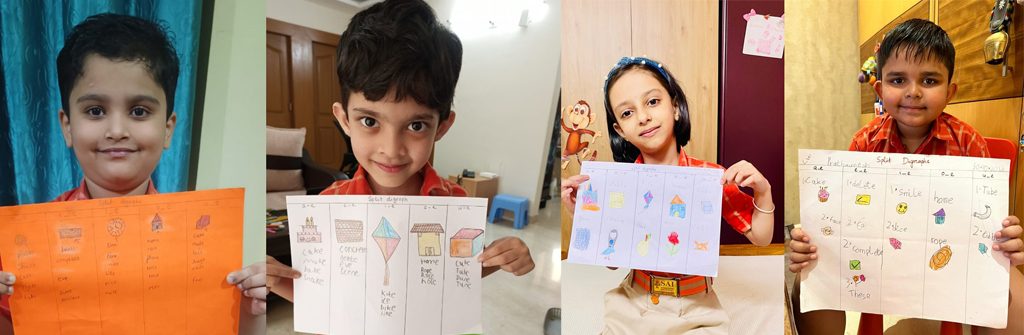
The young SAIoneers of Class I recently delved into the fascinating world of split digraphs, embarking on a journey of discovery and learning. Split digraphs, also known as magic ‘e’, added an element of excitement to their spelling exercises, making words more engaging and accessible.
The magic ‘e’ concept was a game-changer for these budding linguists. It not only made spelling words easier but also sparked their curiosity and imagination. Through interactive activities centered around all five split digraphs, these young learners honed not just their linguistic skills but also their creativity and visual acuity.
Engaging in hands-on activities is crucial for children’s development, especially in their formative years. By exploring split digraphs, the SAIoneers of Class I not only expanded their vocabulary but also enhanced their ability to visually recognize and manipulate letters and sounds.
This immersive learning experience not only helped them grasp linguistic concepts but also nurtured their creativity and problem-solving skills. They were encouraged to experiment, make connections, and explore different ways of using language, laying a strong foundation for future academic success.
As Fred Rogers once said, children learn best through play and exploration. The exploration of split digraphs by the young SAIoneers exemplifies the power of engaging activities in fostering language development and enhancing visual skills in early childhood.
In conclusion, the journey of learning split digraphs was not just about mastering spelling; it was about igniting a passion for language, fostering creativity, and laying a solid foundation for lifelong learning. The young SAIoneers of Class I have embarked on a rewarding educational journey, one filled with excitement, discovery, and endless possibilities.
Exploring Split Digraphs: Enhancing Visual Skills in Early Childhood