“Education is not the filling of a pail, but the lighting of a fire.” – William Butler Yeats
Classroom success depends not only on how teachers deliver lessons but also on the often-overlooked non-teaching practices that shape student engagement, behavior, and overall learning experiences. These subtle yet powerful elements, when thoughtfully combined, create the foundation of effective classroom management and foster a structured, supportive environment where students can thrive.
From the way a classroom is organized to the tone a teacher sets through their interactions, non-teaching practices quietly influence how students respond, participate, and connect with the learning process. Clear routines, positive reinforcement, mindful communication, and an emotionally safe atmosphere all contribute to building trust and discipline within the classroom.
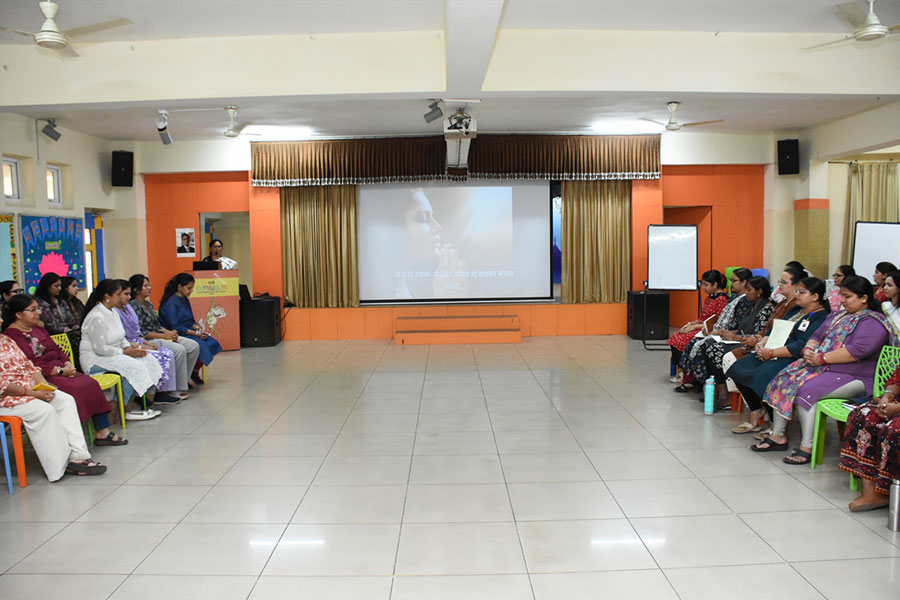
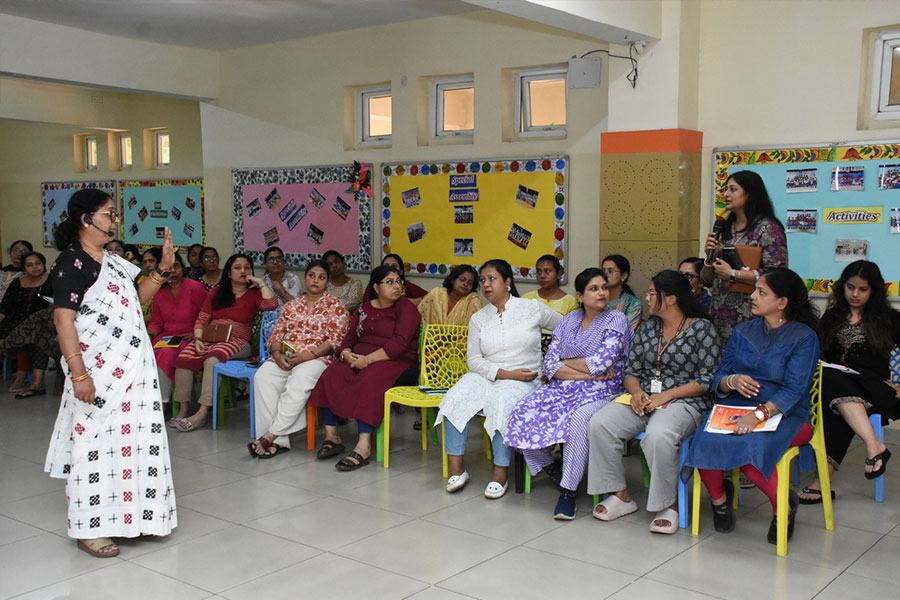
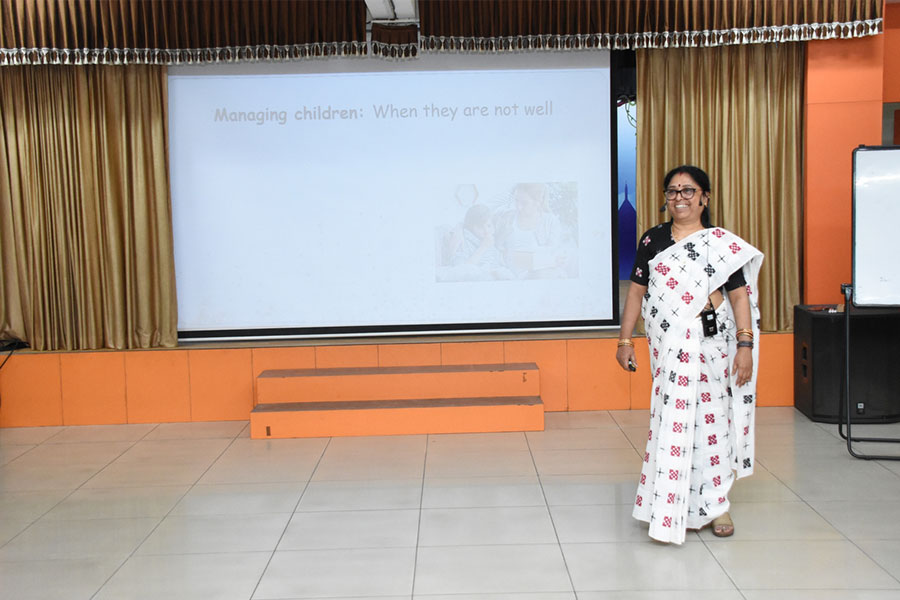
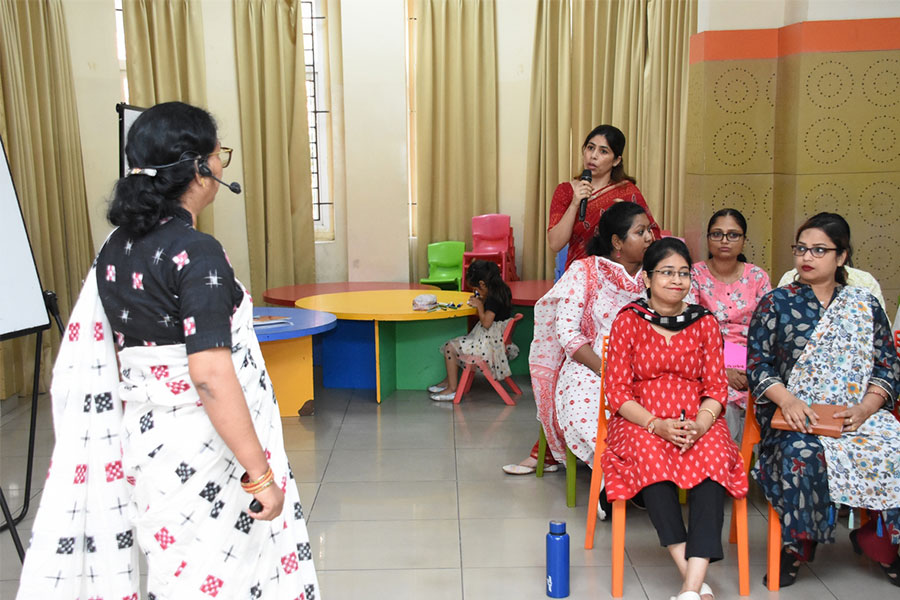
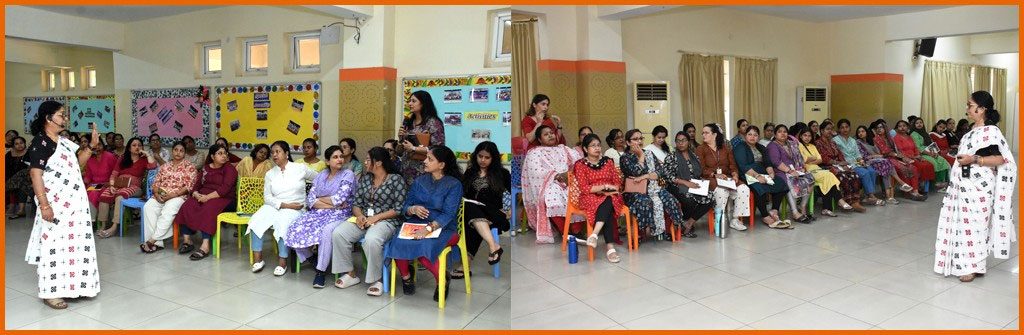
A recent workshop provided educators with an opportunity to reflect on and strengthen these practices. Through practical strategies and real-life scenarios, teachers explored ways to manage classrooms more effectively, ensuring that learning remains engaging and inclusive. The focus was on creating consistency, encouraging student ownership, and maintaining a balance between structure and flexibility.
Though often subtle, these practices set the tone for the entire classroom experience. When students feel secure, respected, and guided, they are more likely to stay focused, participate actively, and develop a genuine interest in learning.
Ultimately, effective classroom management is not just about control, but about creating an environment where every student feels valued and empowered to succeed.
Beyond Teaching: The Power of Non-Teaching Practices in Effective Classroom Management