“The only way to learn mathematics is to do mathematics.” – Anonymous
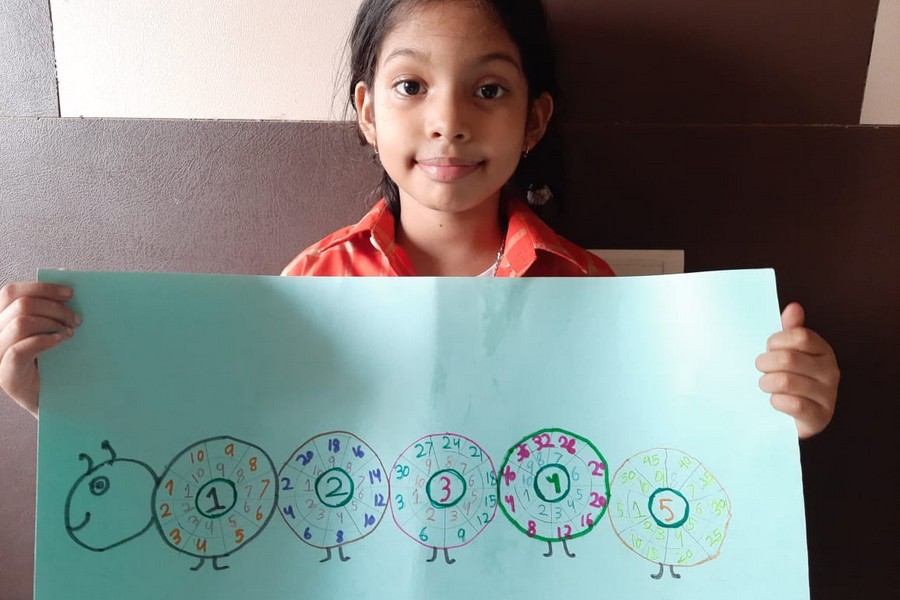
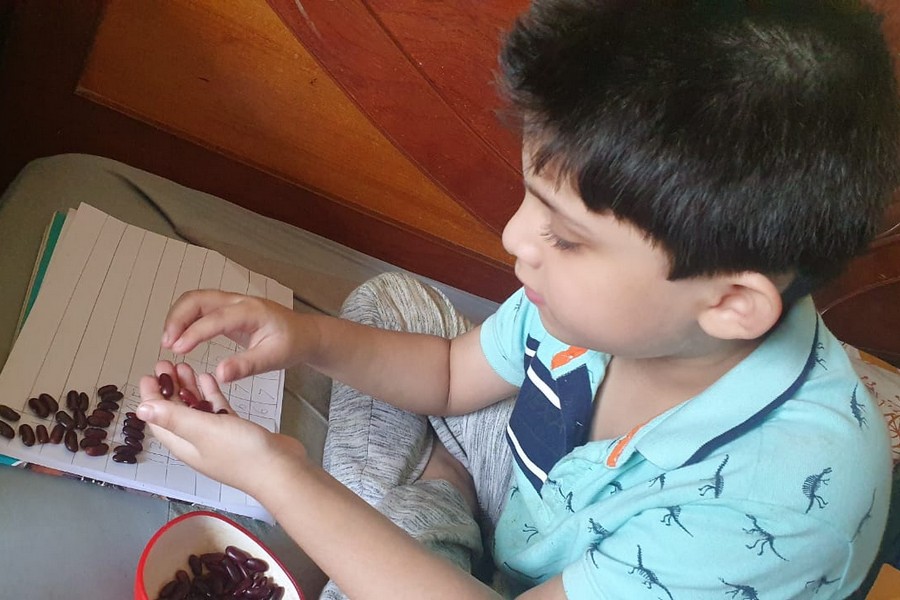
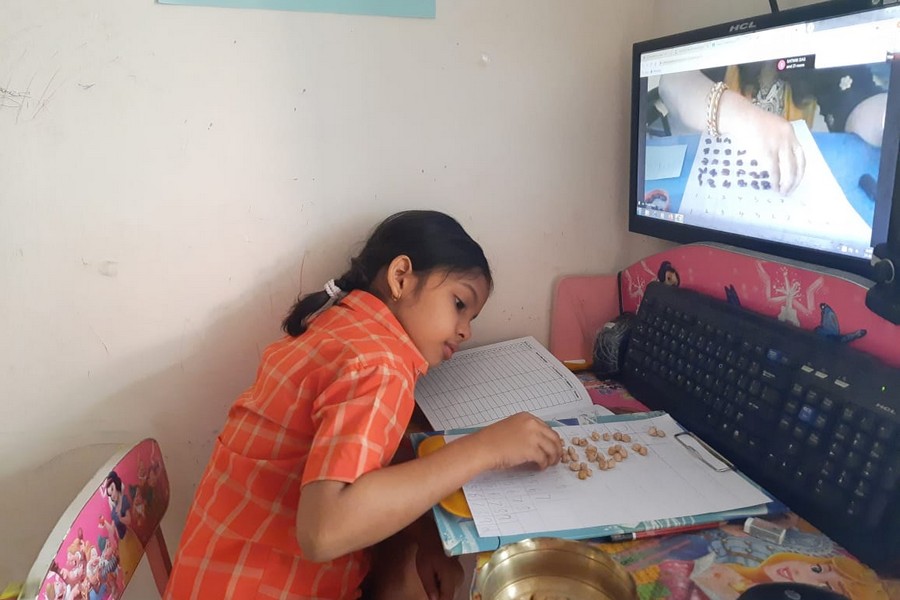
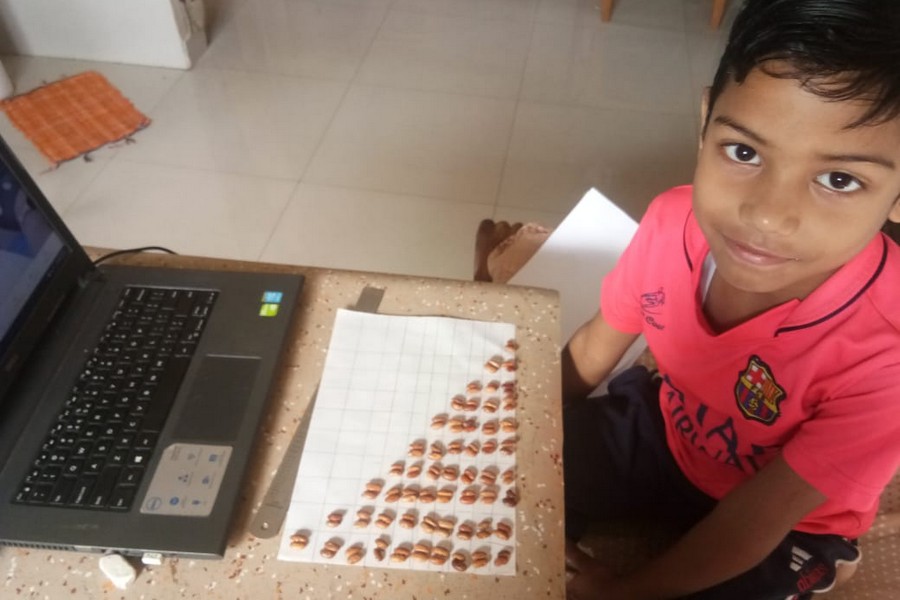
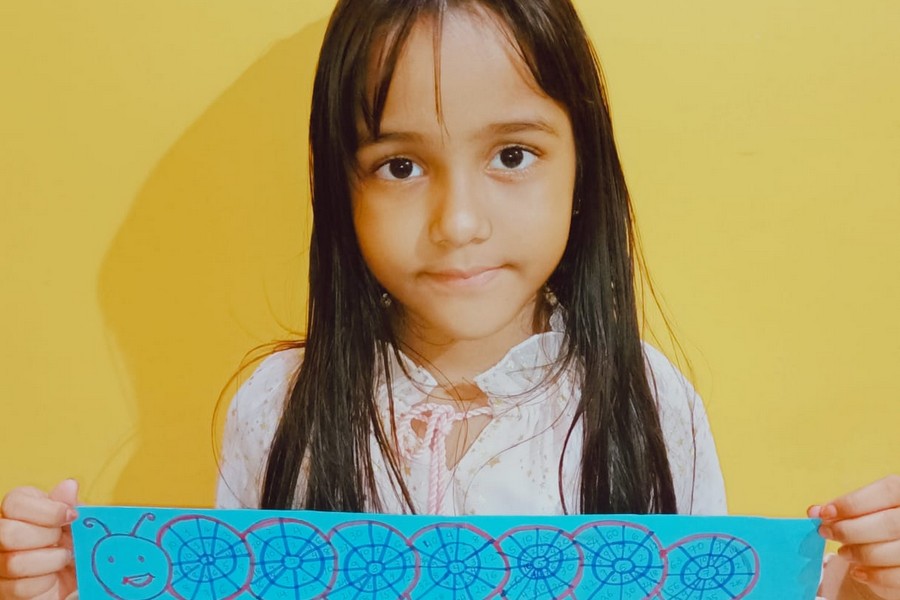
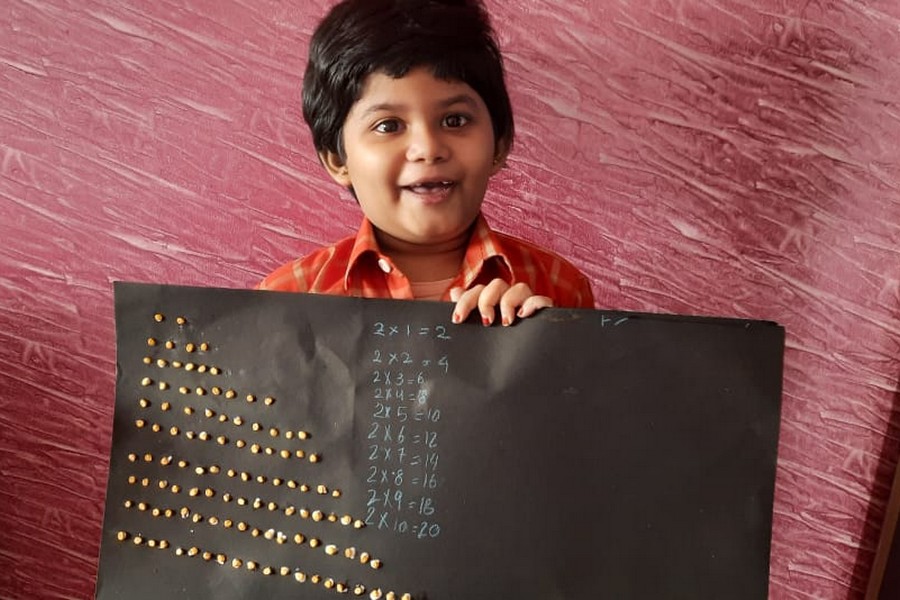
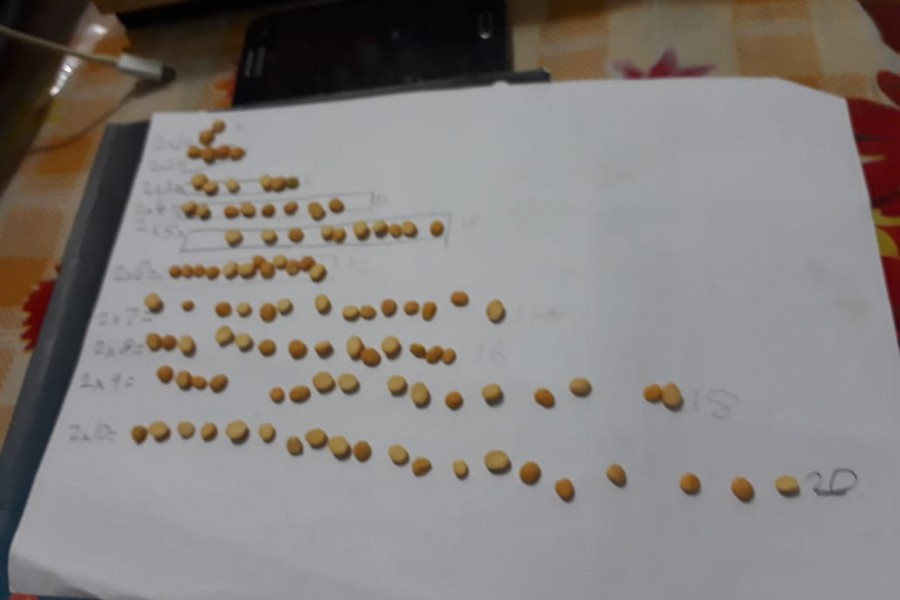
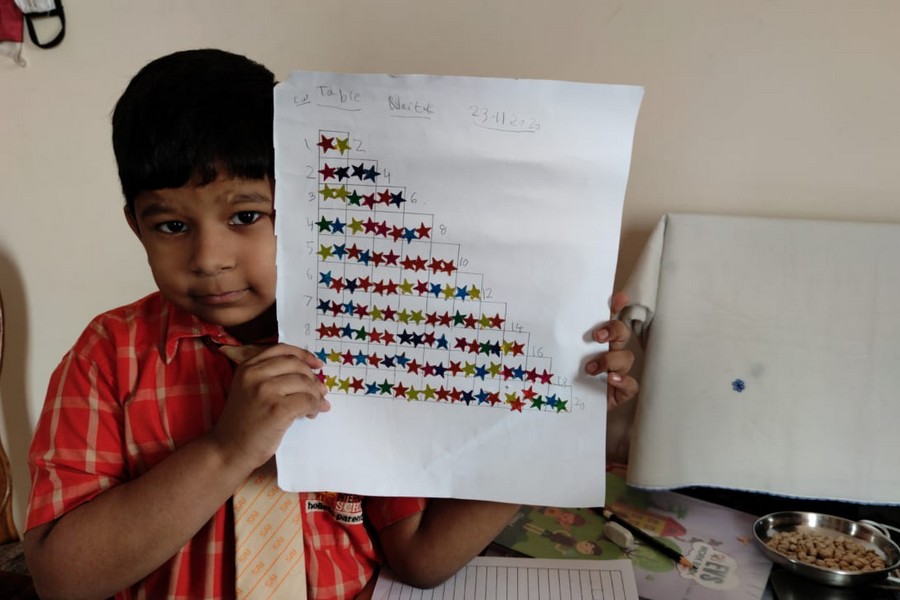
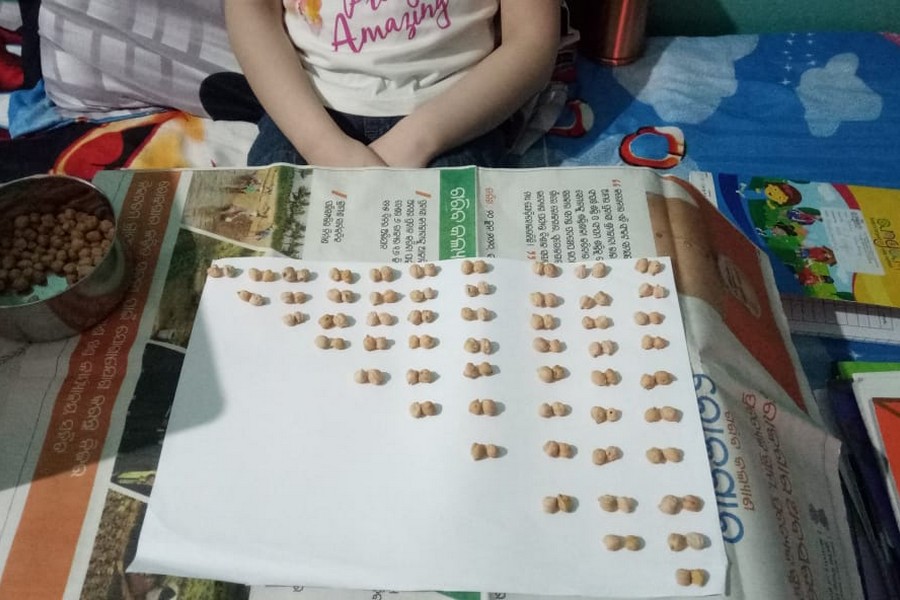
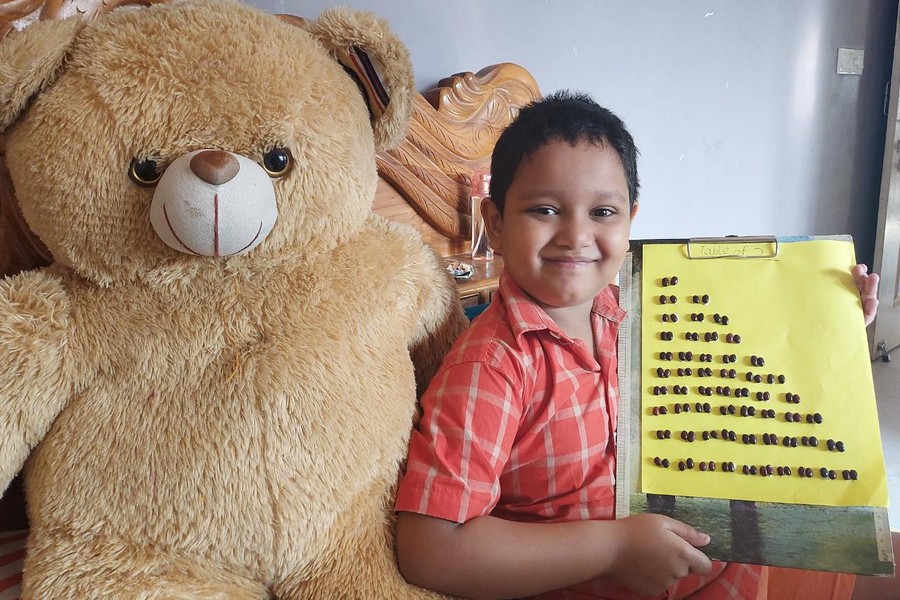
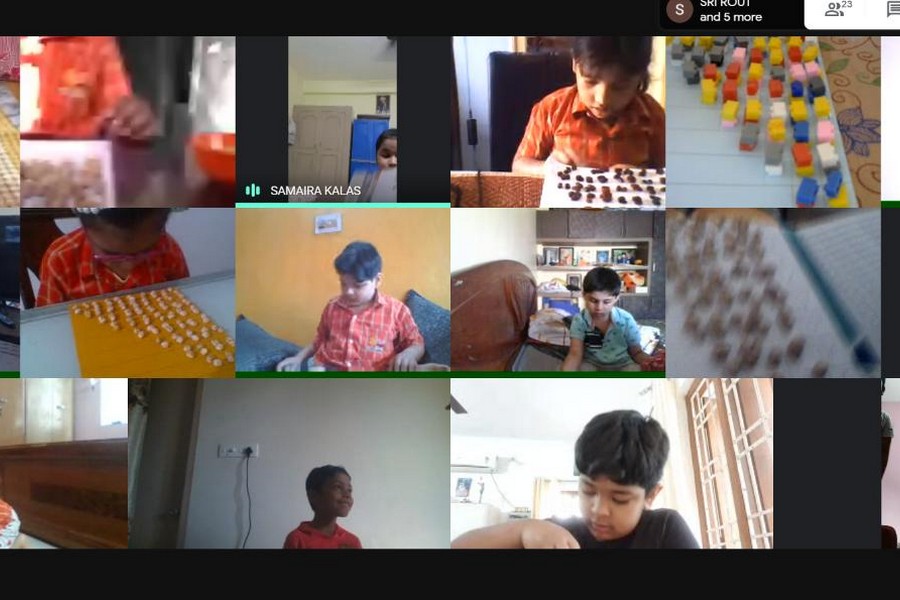
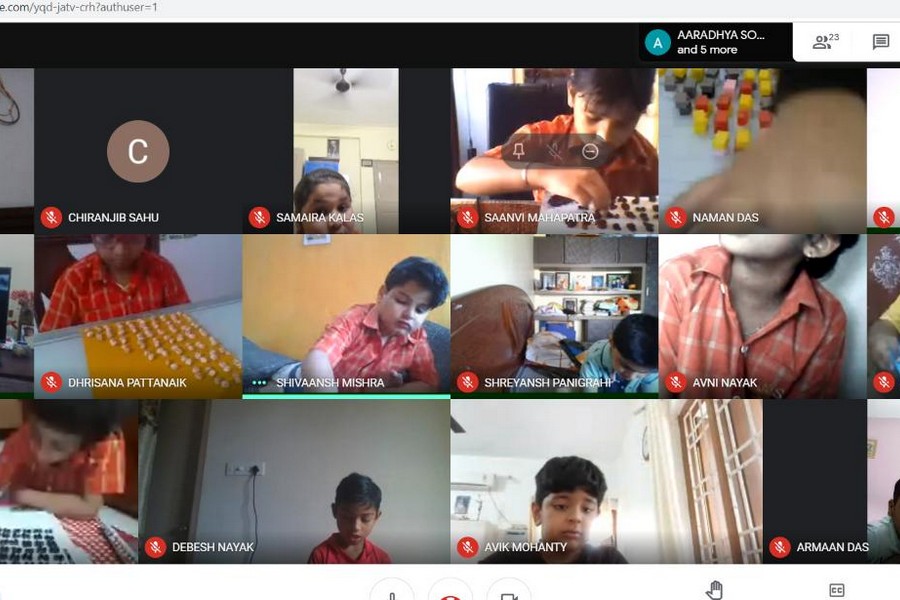
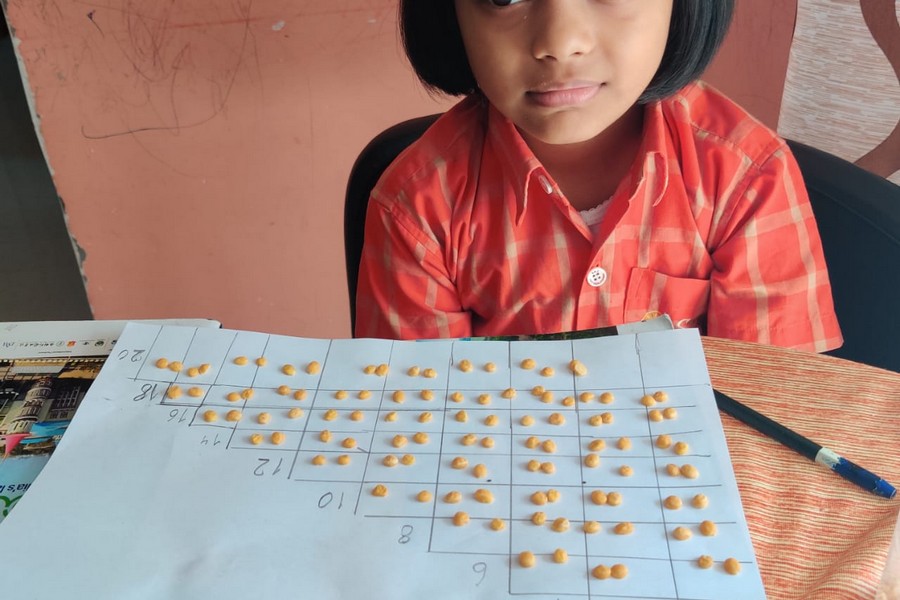
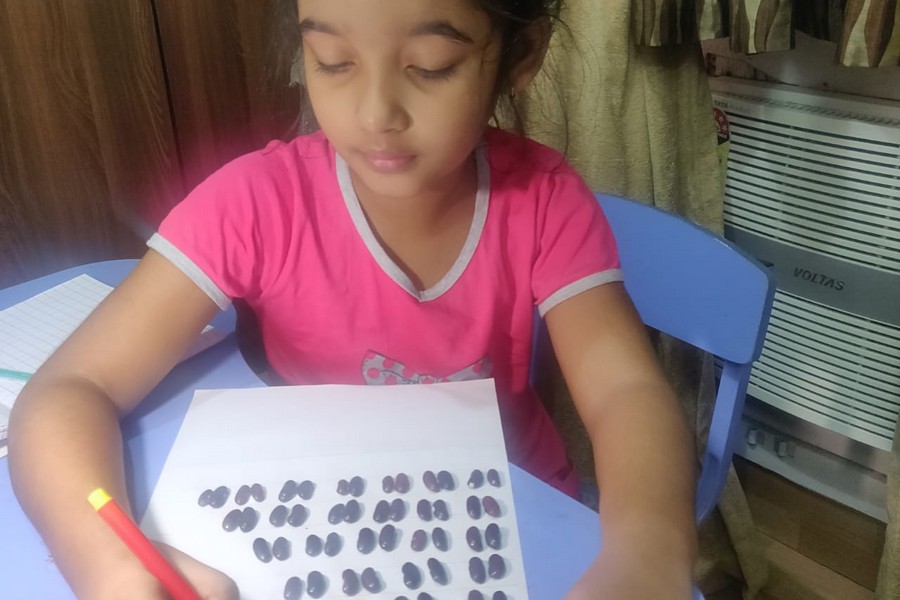
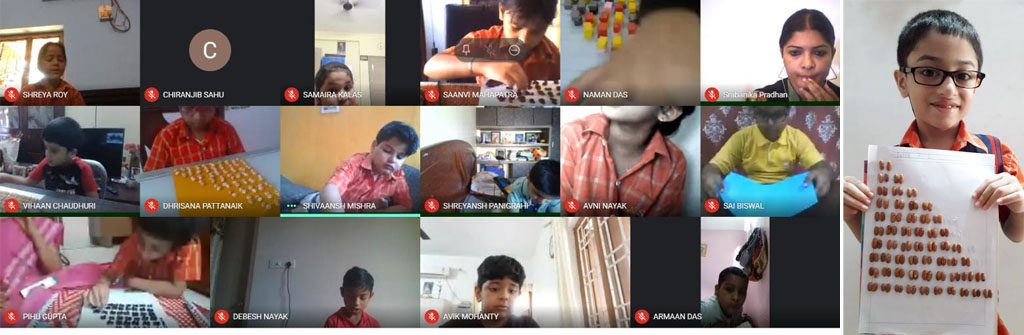
Repeatedly adding the same number is called Multiplication. With this action-based phrase the students of Class I started learning multiplication tables. They were taught how a number is repeatedly added to get the answer and to convert that repeated addition statement to multiplication. The students used the basic process of repeated addition and made the table of 2, 3, 4 and 5 on their own. By starting with smaller tables and building up, children learn number rules which will make learning other tables much easier. Learning the multiplication table is really important. Beyond memorising tables, understanding how they work can do wonders for building a child’s knowledge of important mathematical concepts. By following the multiplication facts, the students also presented an activity with the help of rajma beans, chickpeas, almond, blocks and peanuts.
Once they memorize tables, children will also become more accustomed to using their mind to visualise answers. Using visual representations of times tables can help children visualise the role of sequences. This will help them solve questions involving multiplication in their head, making the act of memorising multiplications a very worthwhile cause. Children with the help of number tables were able to multiply single-digits with single-digit and double-digit numbers.
Memorising tables makes it far quicker and easier for children to work out maths problems in their heads. Moving beyond using their fingers to work out answers the children were able to use their knowledge to quickly solve any sum on multiplication. Sessions like these allow the kids to grab onto complex maths concepts from an early age, enhancing their numeracy skills.
Multiplication Tables