“Every child brings a different rhythm to the classroom. When we dance to all of them, true learning begins.” — Dr. Meena Bhargava, Early Childhood Inclusion Expert
The word ‘diversity’ often brings to mind different cultures, languages, or experiences. But in today’s classrooms, diversity has a deeper, more beautiful meaning—neurodiversity. From children who speak before they walk, to those who think in colors or patterns, every little learner has a unique way of understanding the world. And the modern classroom is finally listening.
A Symphony of Learning Styles
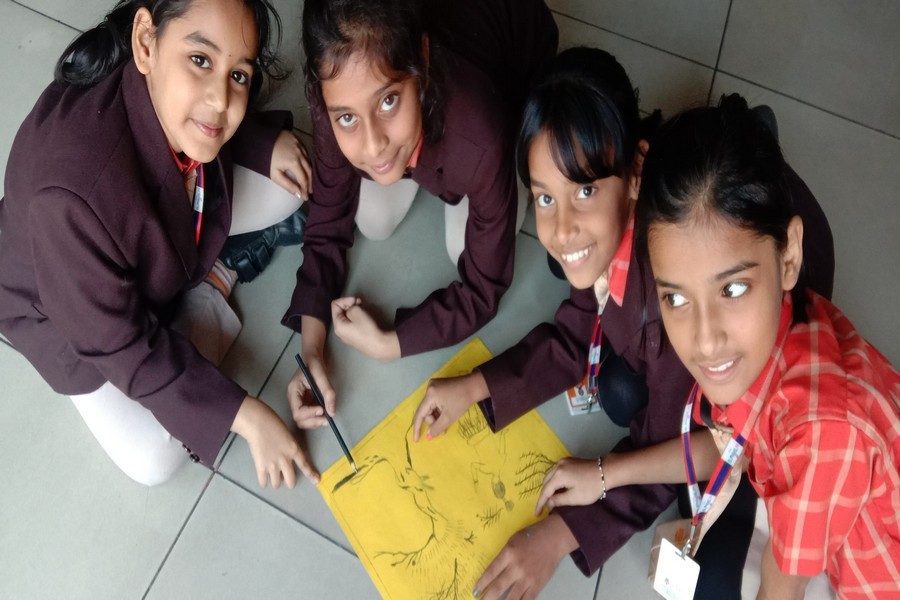
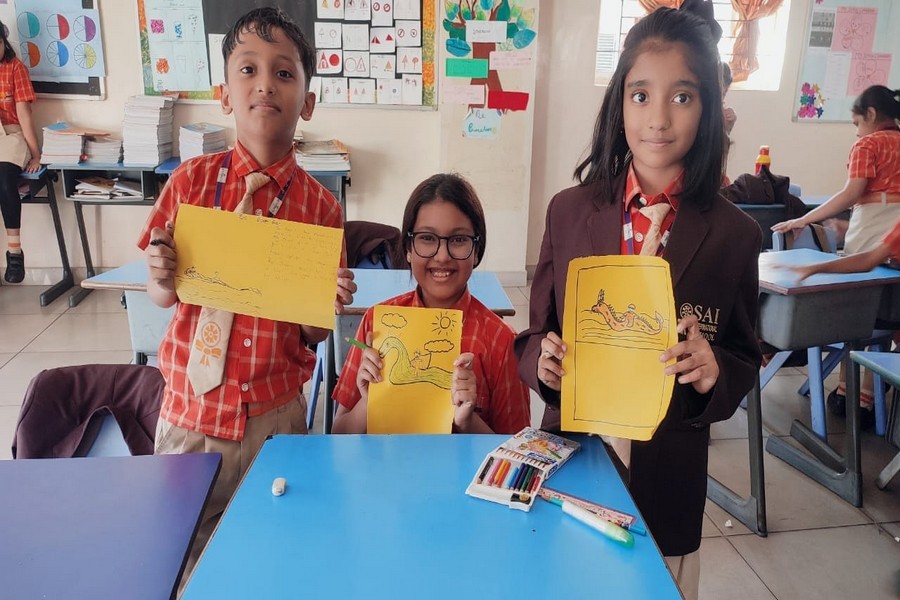
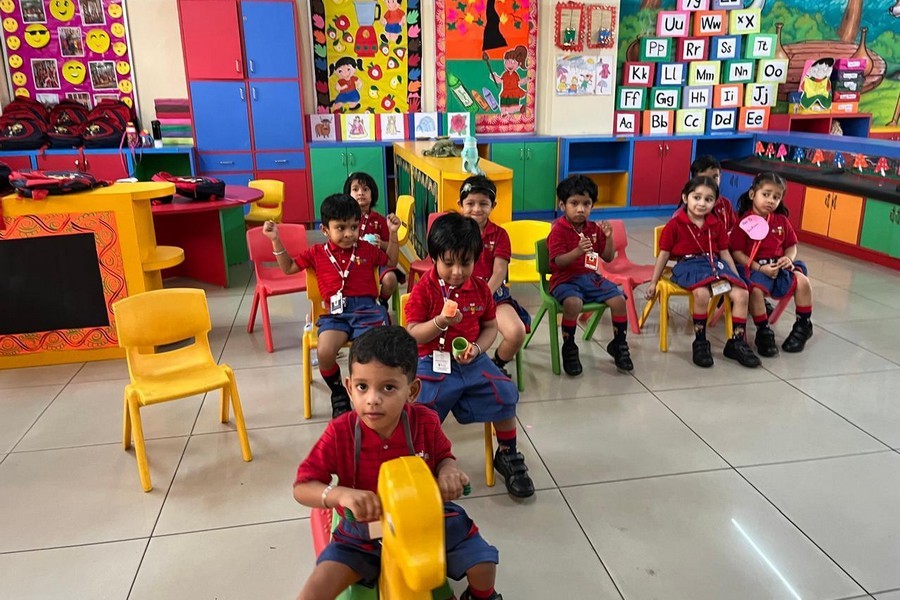
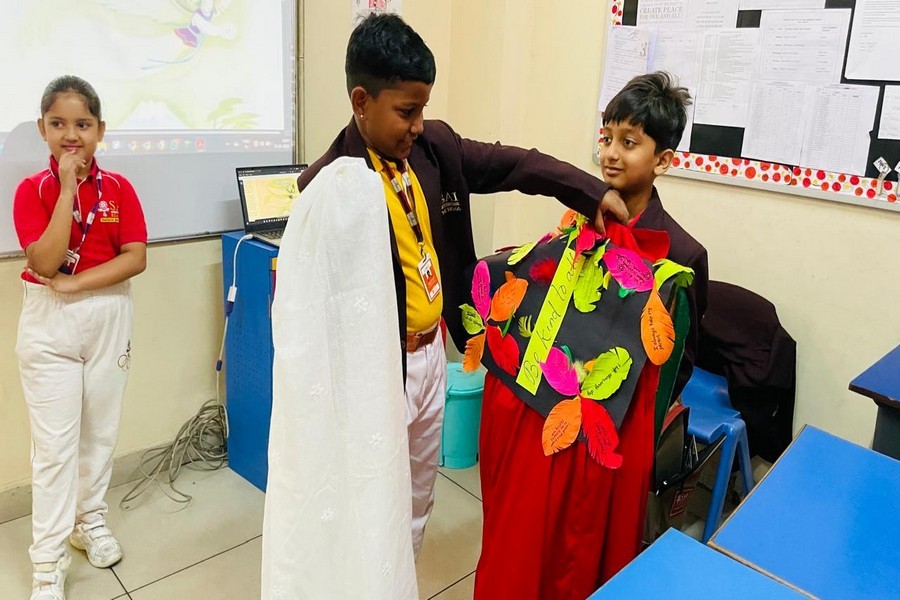
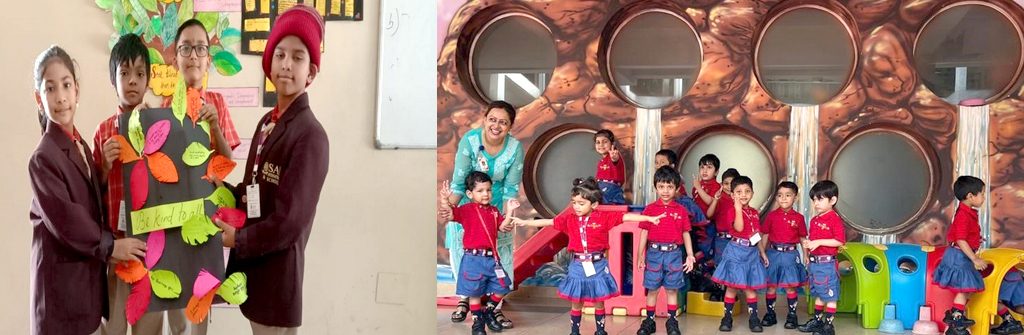
At SAI Angan, we believe every child is a story waiting to unfold—not a standard to be met. Some children learn best by movement, some by song, and some by simply sitting quietly and observing. Teachers are increasingly trained to recognize these varied needs, adapting their approach rather than expecting every child to adapt. A neurodiverse classroom doesn’t mean more challenges—it means more windows to wonder.
Creating Safe Spaces for Every Mind
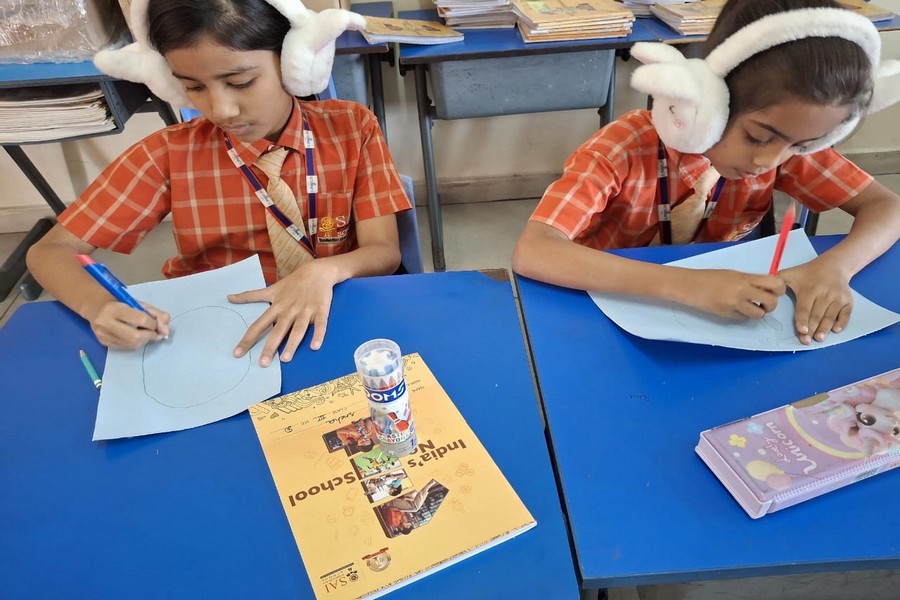
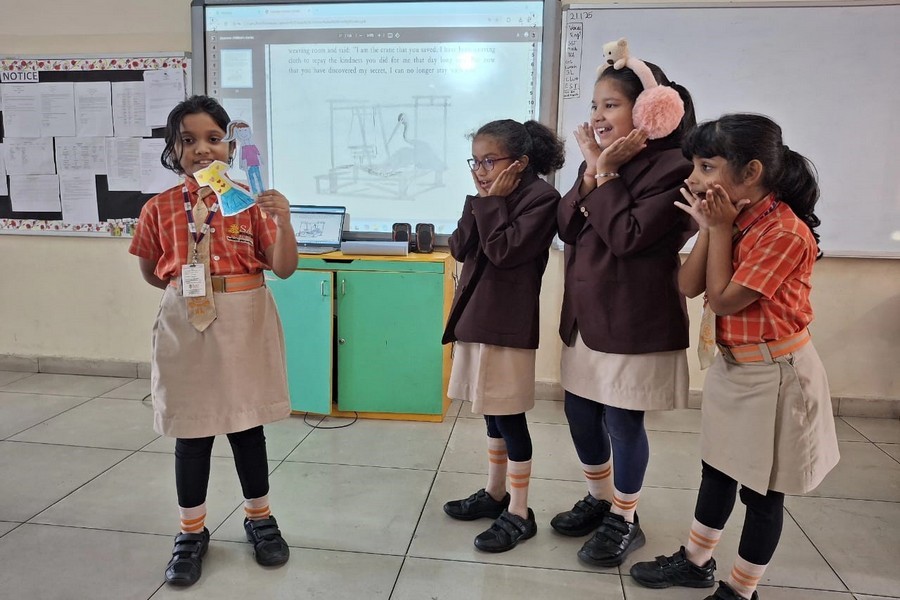
Safe doesn’t just mean physically secure—it means emotionally welcoming. When a child with sensory sensitivity needs a quieter space, or a child with ADHD finds comfort in rhythm and repetition, our classrooms respond with compassion. Activities like fidget play, visual schedules, and story-based instructions help every student thrive. The goal isn’t to “fix” children. It’s to see them.
The Outcome? Inclusion as a Daily Habit
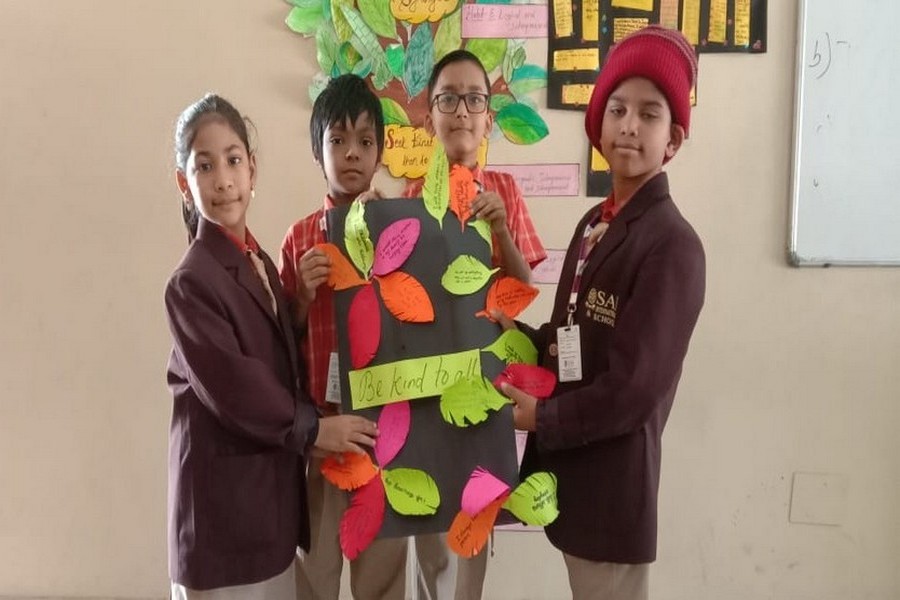
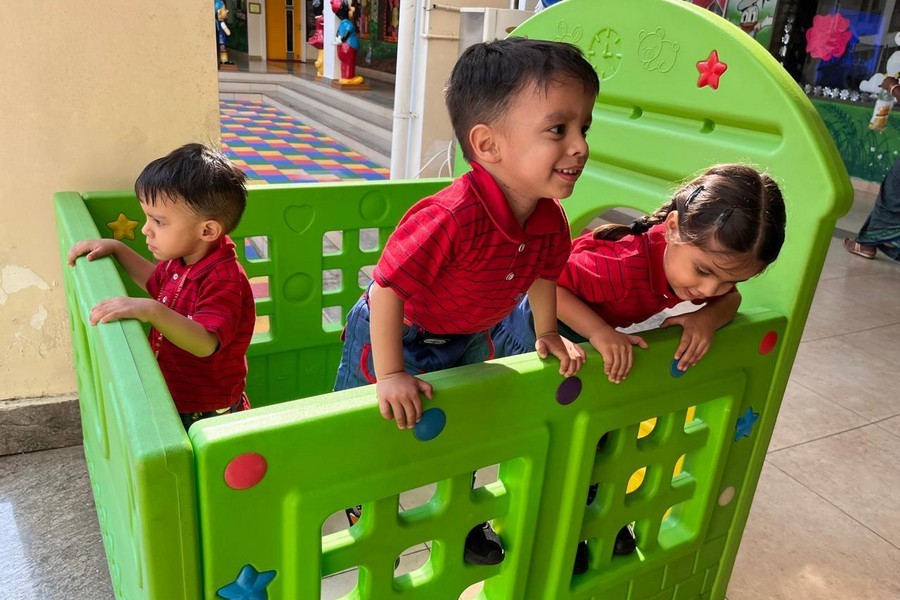
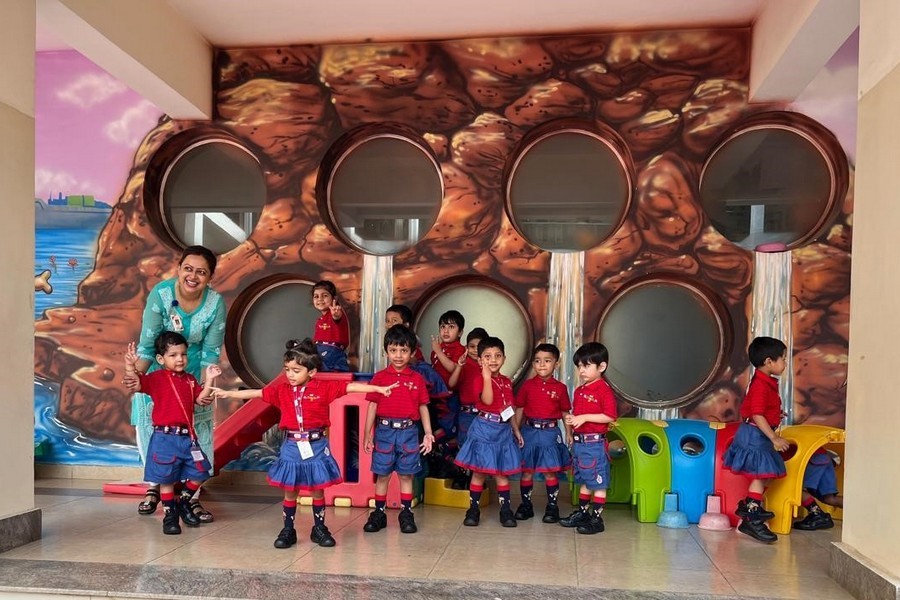
By learning side by side, children begin to understand empathy—not as a lesson, but as a life skill. They grow up not just smarter, but kinder.
Teacher’s Thought: “When we teach with our hearts first, every child shines.”
Parent’s Perspective: “My child feels seen, not just taught.”
Neurodiversity in Bloom: Embracing Every Mind in the Classroom